Black Rhinos
Mkomazi includes protected areas connected with black-rhinoceros conservation. Visits require advance arrangement and confirmation.
Semi-arid landscapes • Conservation programmes • Near Same
Savannah
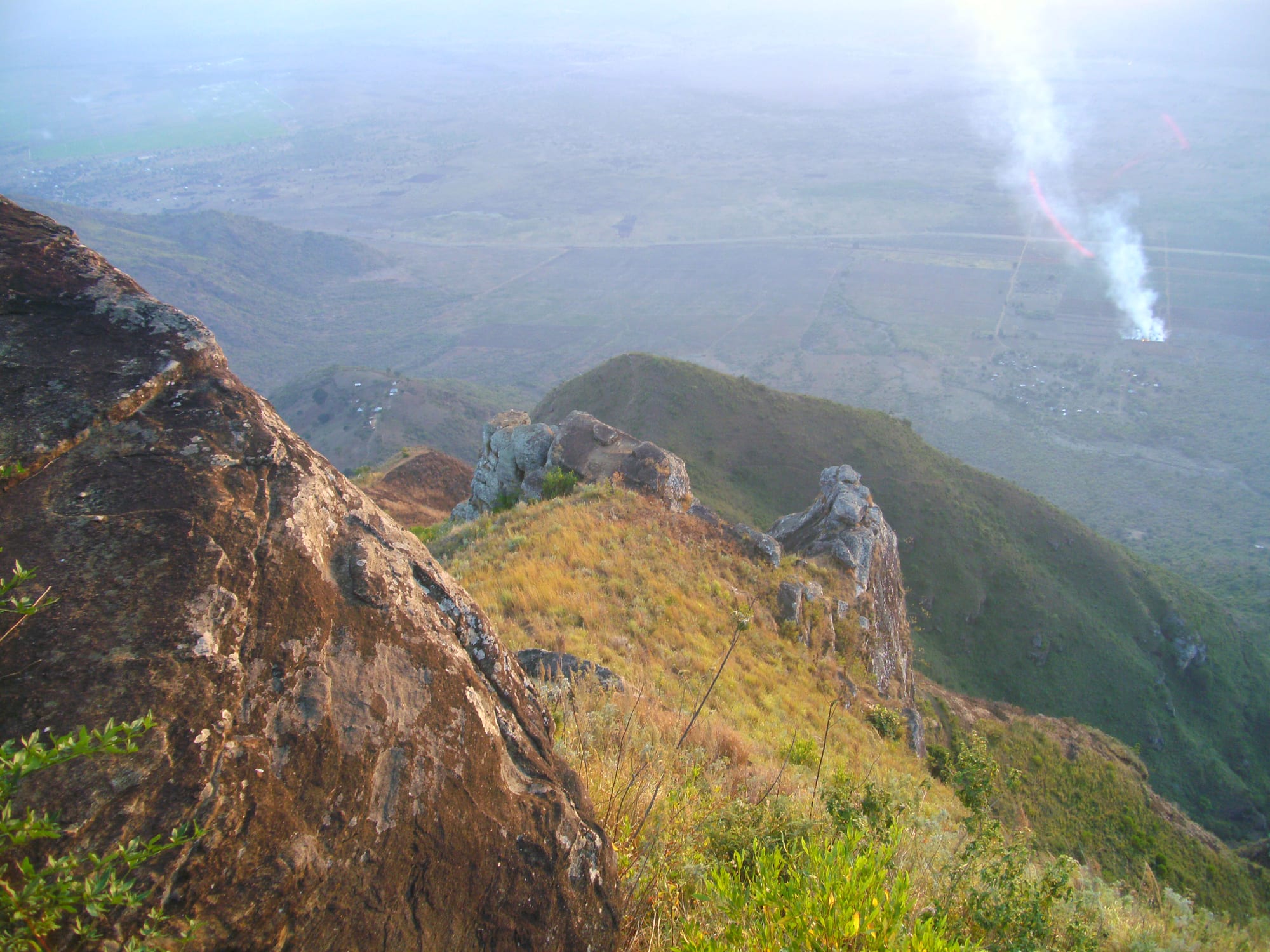
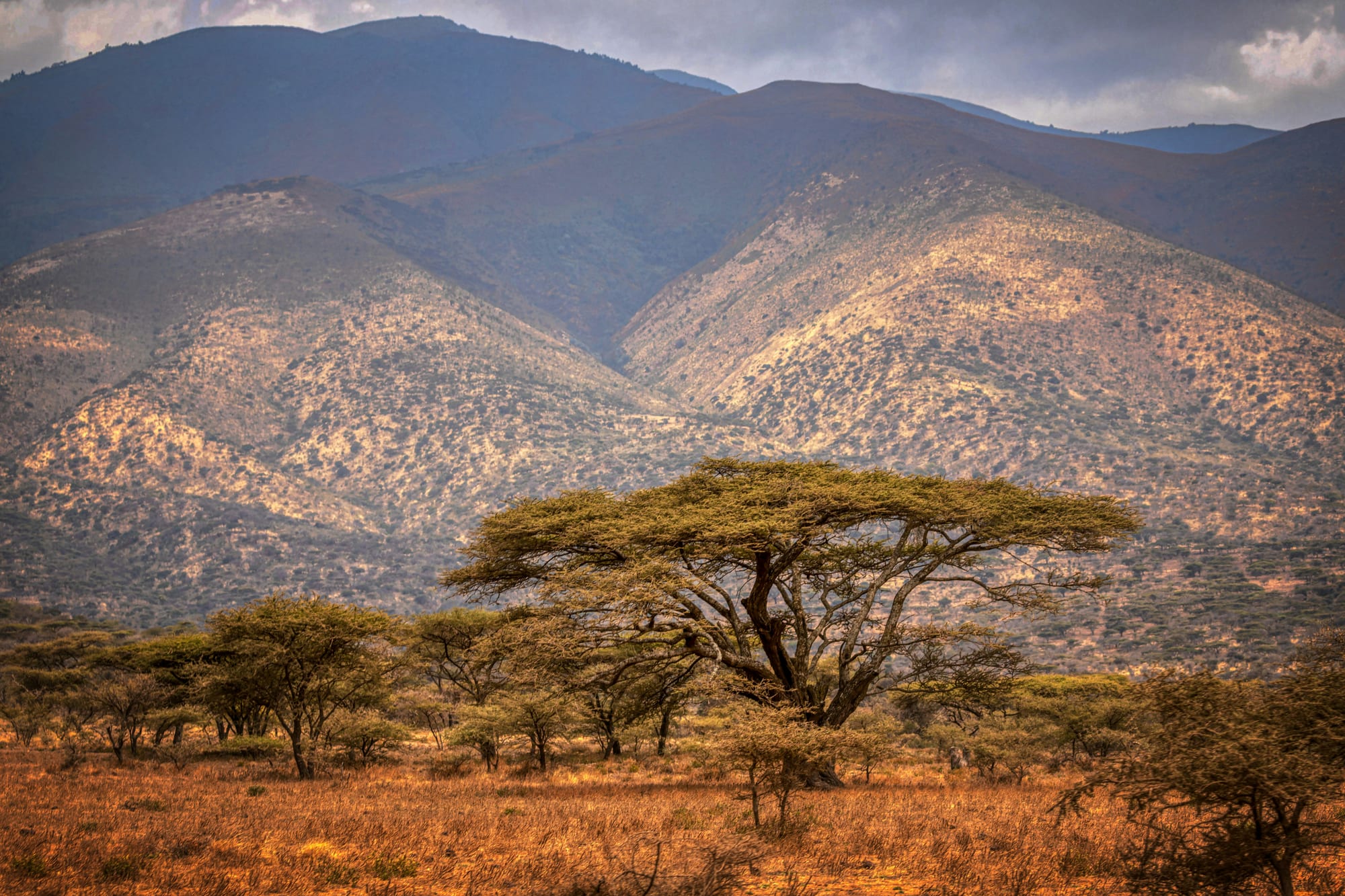
Semi-arid landscape
Birdlife
Varied habitats
Black Rhino
Conservation programme
Wild Dogs
Conservation programme
Located in northeastern Tanzania near the Kenyan border, Mkomazi forms part of the wider Tsavo–Mkomazi ecosystem. Its semi-arid country supports dryland species such as gerenuk and lesser kudu, alongside conservation programmes involving black rhinoceros and African wild dogs.
The park combines semi-arid savannah, acacia-commiphora woodland and views towards the Pare and Usambara mountains. Wildlife distribution changes with rainfall and water availability.
Its position near Same can make it a practical addition to an Usambara Mountains route, subject to timing and current park arrangements.
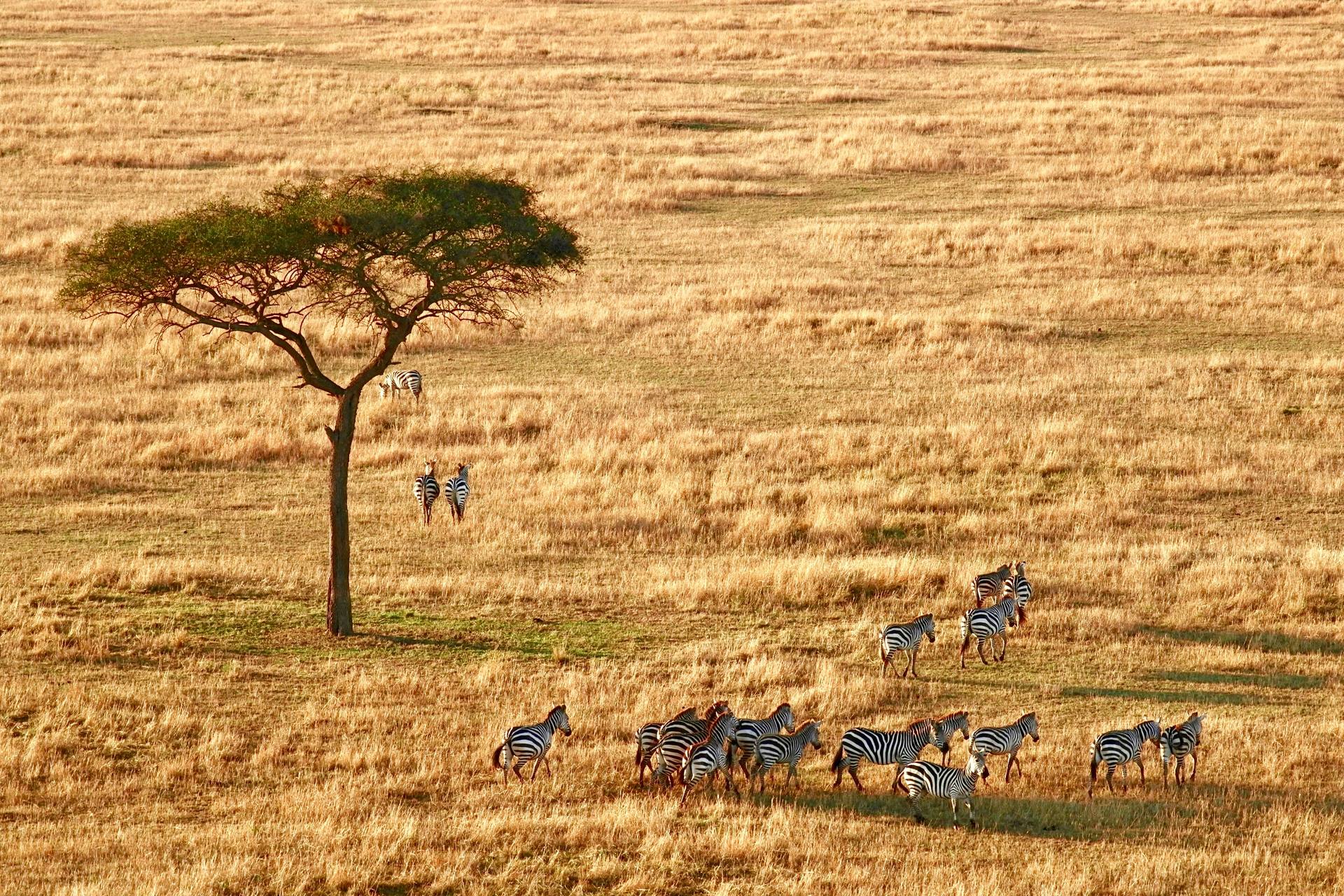 The vast savannah of Mkomazi
Access to programme areas must be arranged in advance and wildlife sightings are not guaranteed.
Mkomazi includes protected areas connected with black-rhinoceros conservation. Visits require advance arrangement and confirmation.
African wild dog conservation has also been associated with Mkomazi. Ask what educational access is currently available before planning around it.
Mkomazi’s habitats support varied birdlife. Species and viewing conditions change through the year.
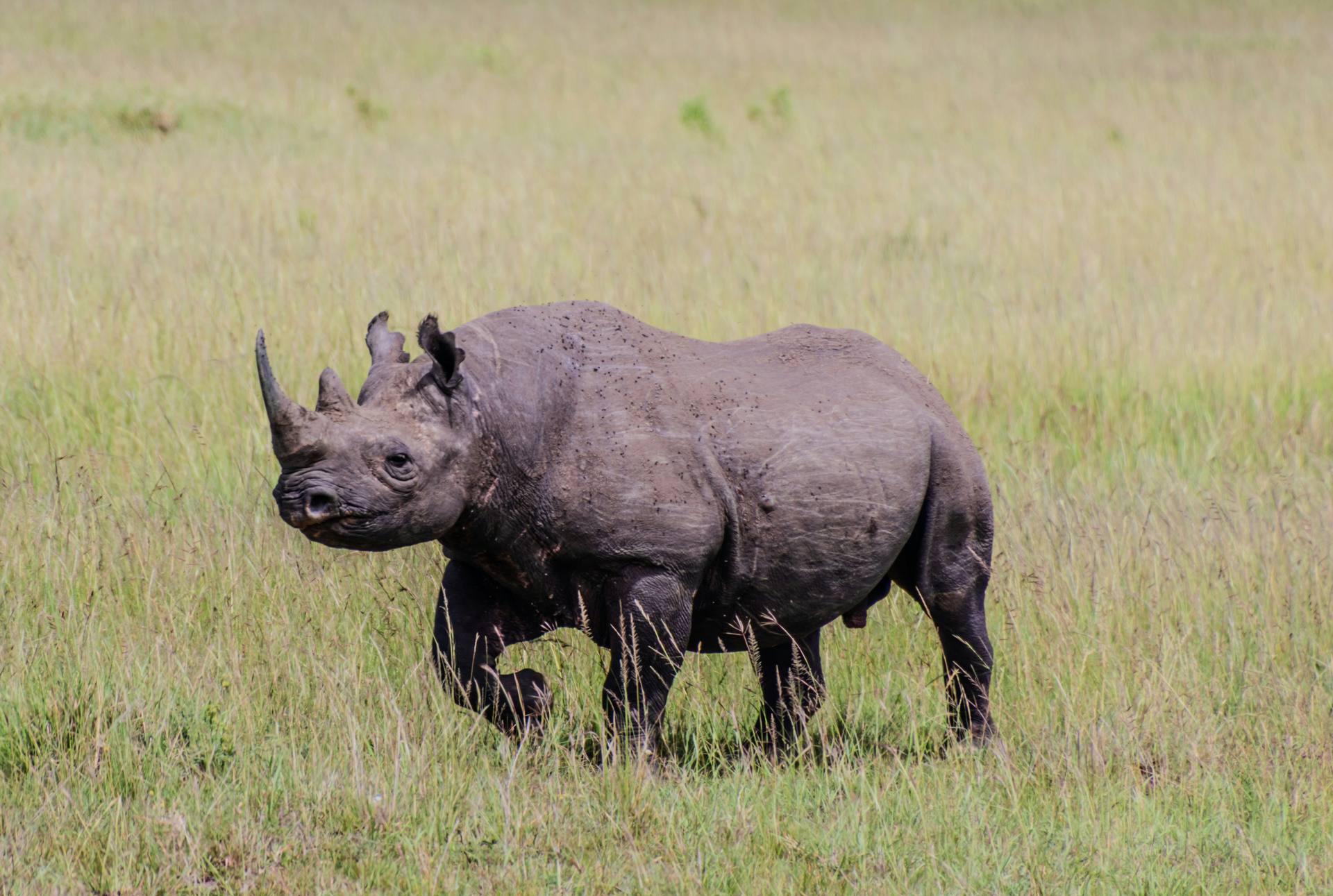
Sanctuary visits require advance arrangement and are subject to confirmation. If access is available, the visit can include information about conservation work; seeing a rhinoceros is never guaranteed.
The Zange Gate is reached from the area around Same, on the road between Moshi and Tanga. Confirm the current route before travel.
June to October is often drier. Rainfall, vegetation and wildlife locations vary, so ask about current conditions.
Accommodation and campsite availability changes. Your itinerary and quote will confirm the current overnight arrangement.
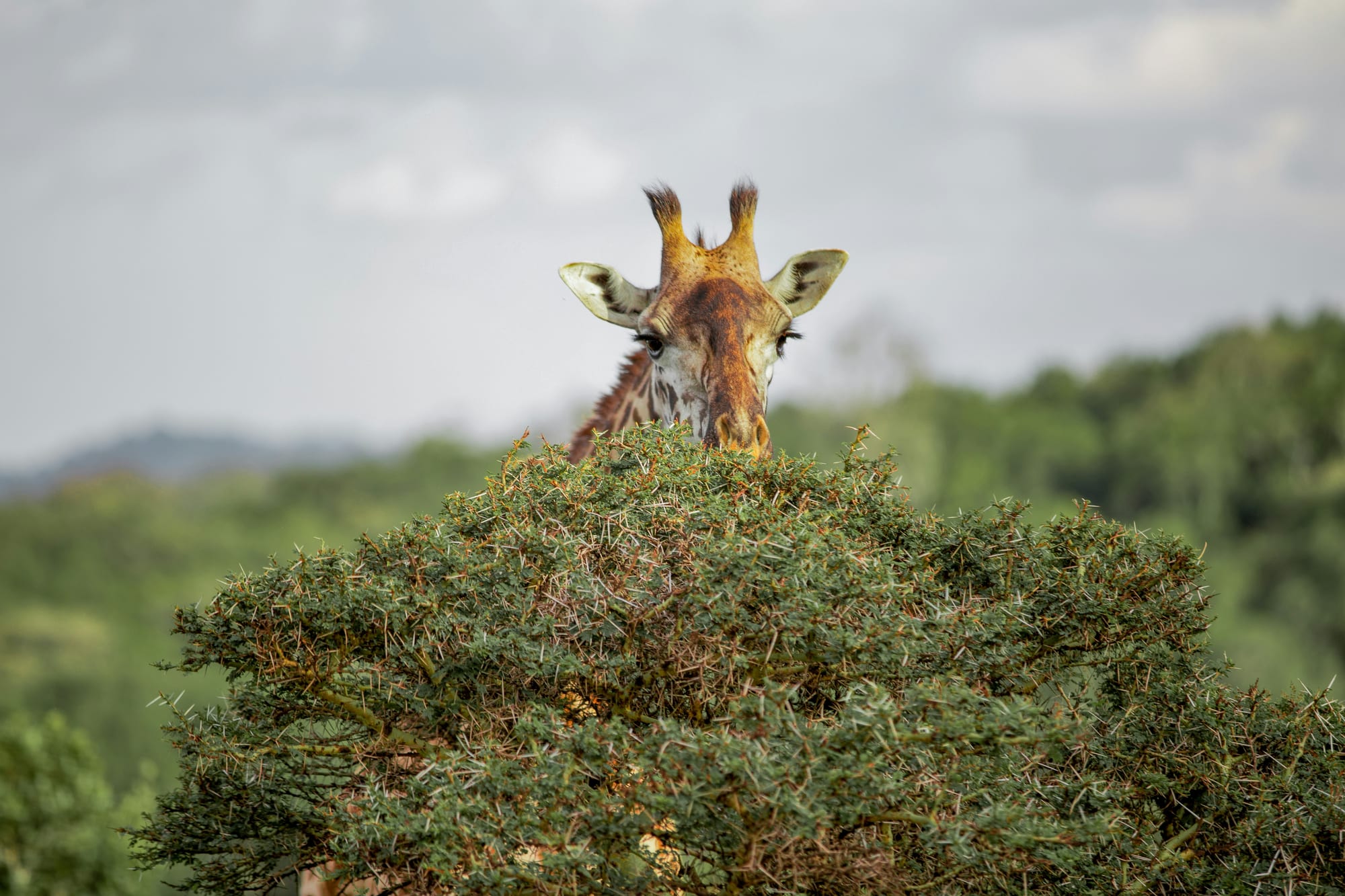
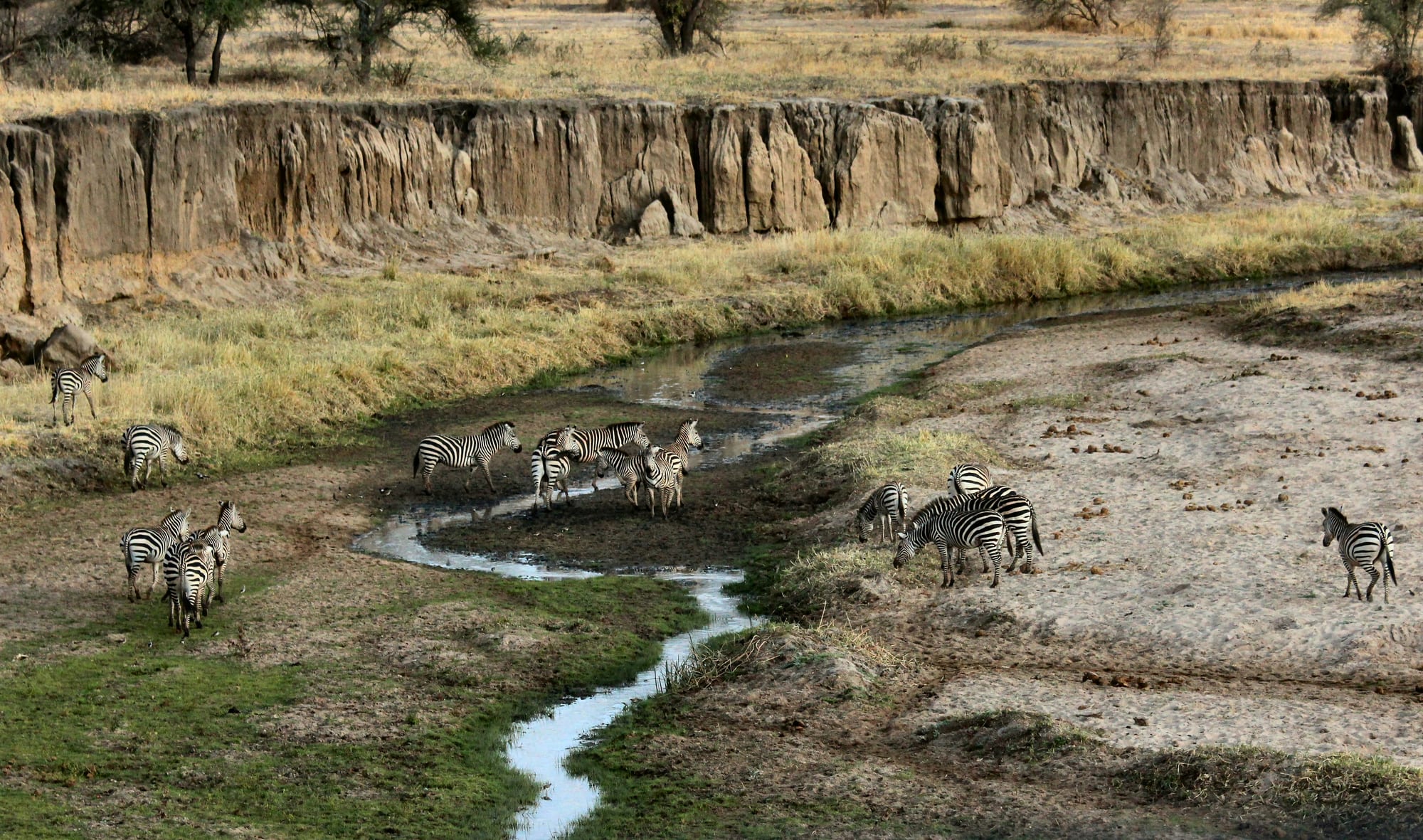
A quiet park most northern-circuit itineraries skip entirely, and the easiest to reach from Lushoto.
Ready-made itineraries you can take as they are or adapt to your dates.
Places that pair well with this one.
See how Mkomazi can fit into a route through northeastern Tanzania.