Tarangire National Park
Baobab landscapes • Elephants • Tarangire River
Baobabs, river and wildlife
Tarangire is known for baobab landscapes, elephants and varied birdlife. During drier periods, wildlife often gathers near the Tarangire River.
Why Visit Tarangire?
The park combines woodland, seasonal wetlands and river habitat. Elephants are often associated with Tarangire, but herd sizes and all wildlife sightings vary.
- Baobab trees: Distinctive trees shape much of the park’s character.
- River habitat: Wildlife distribution changes as water and grazing conditions shift.
- Birding: Woodland, wetland and open habitats support varied birdlife.
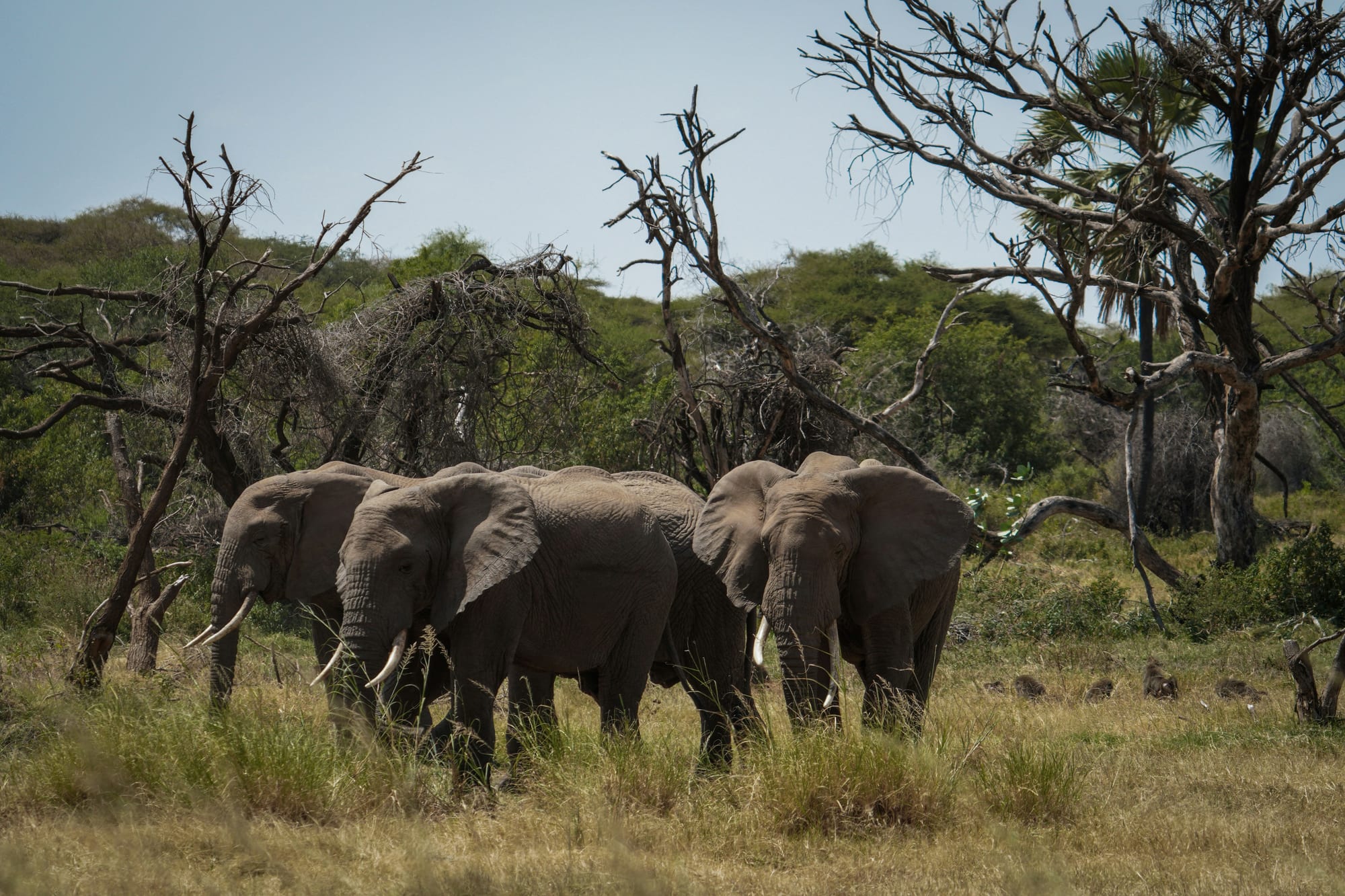
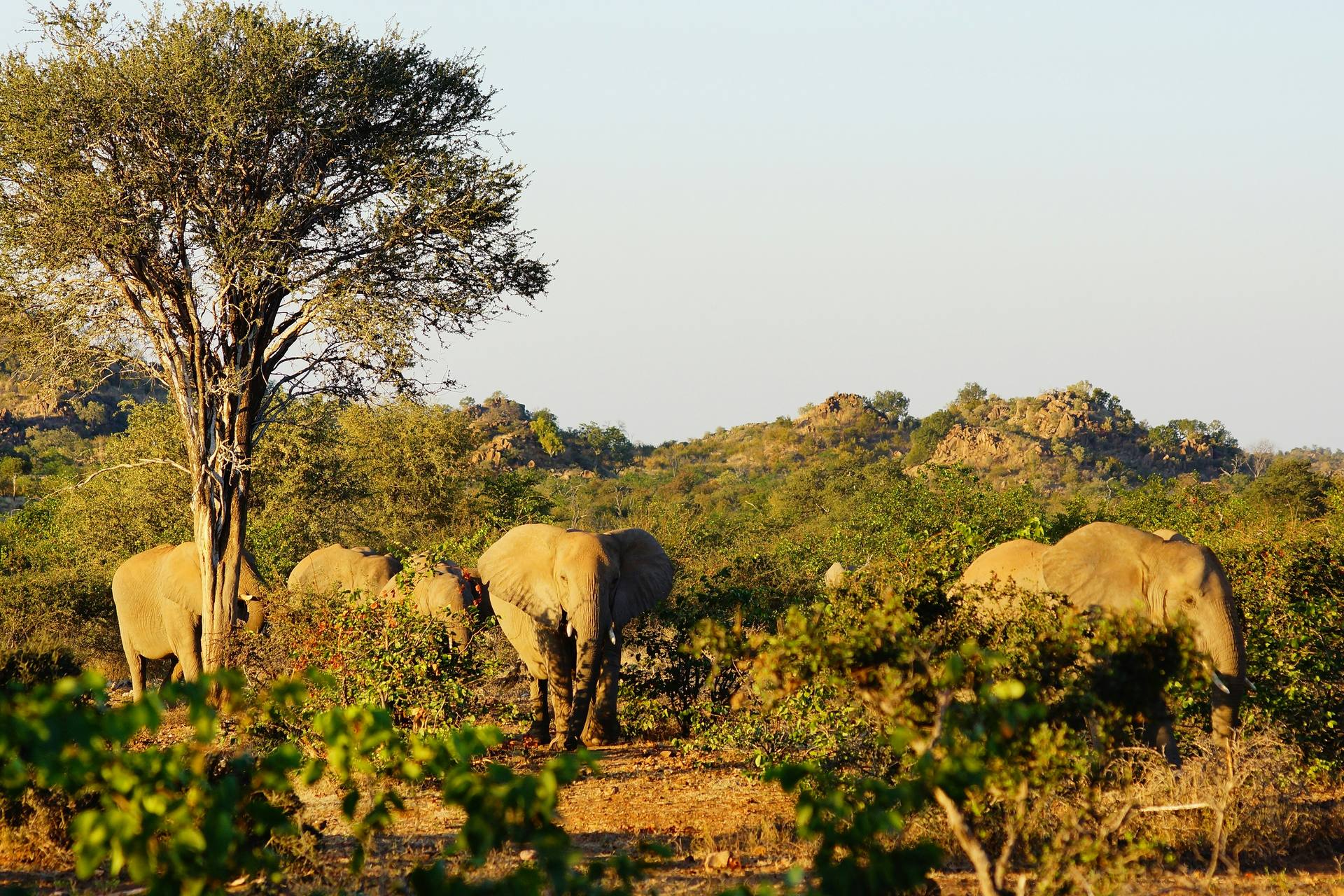 Elephants in open habitat
Baobabs
Distinctive landscape
Elephants
Sightings vary
Birdlife
Several habitats
River
Seasonal focus
Park Features
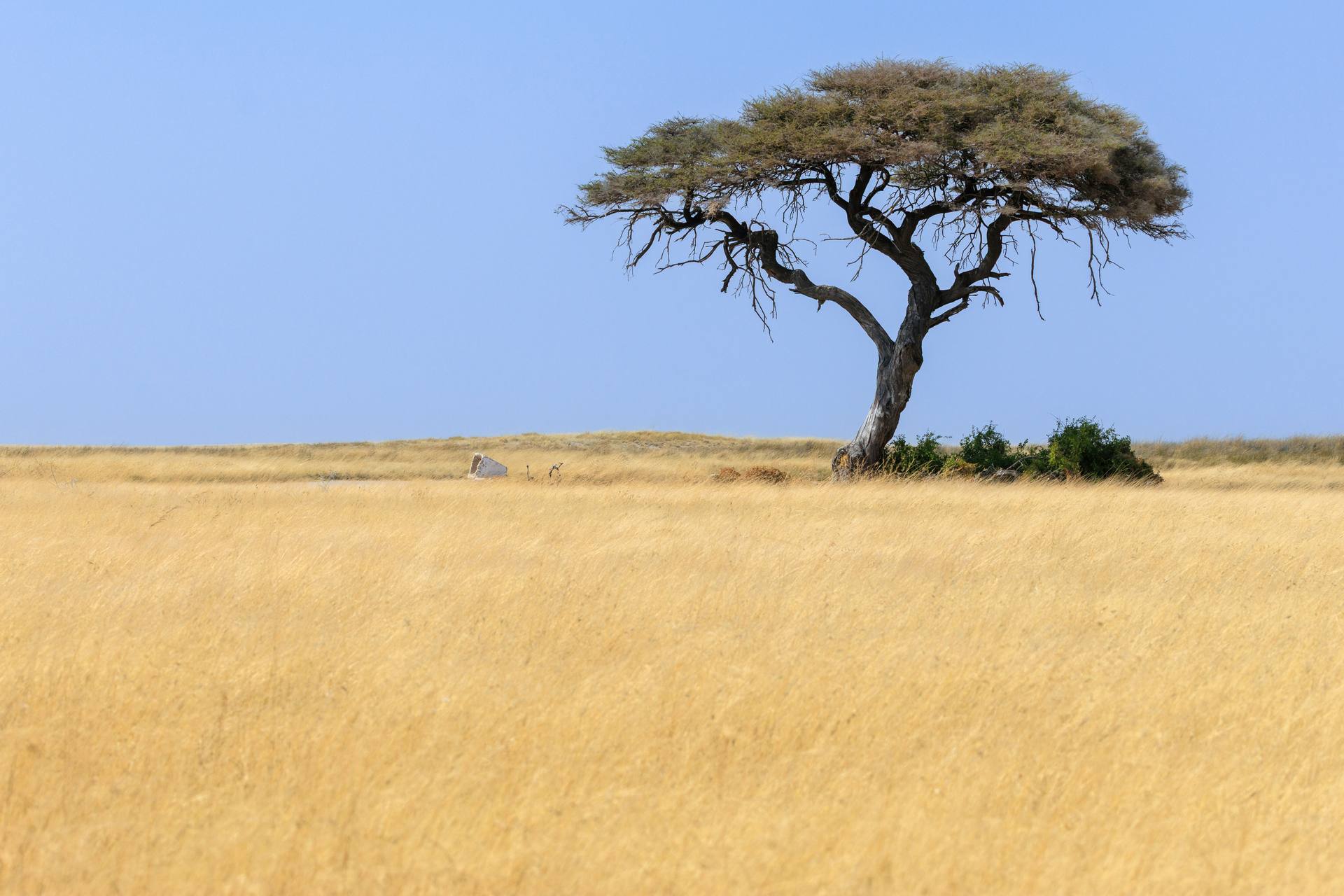
Woodland and open country
Tarangire moves between woodland, open grassland and river habitat, with vegetation changing through the seasons.
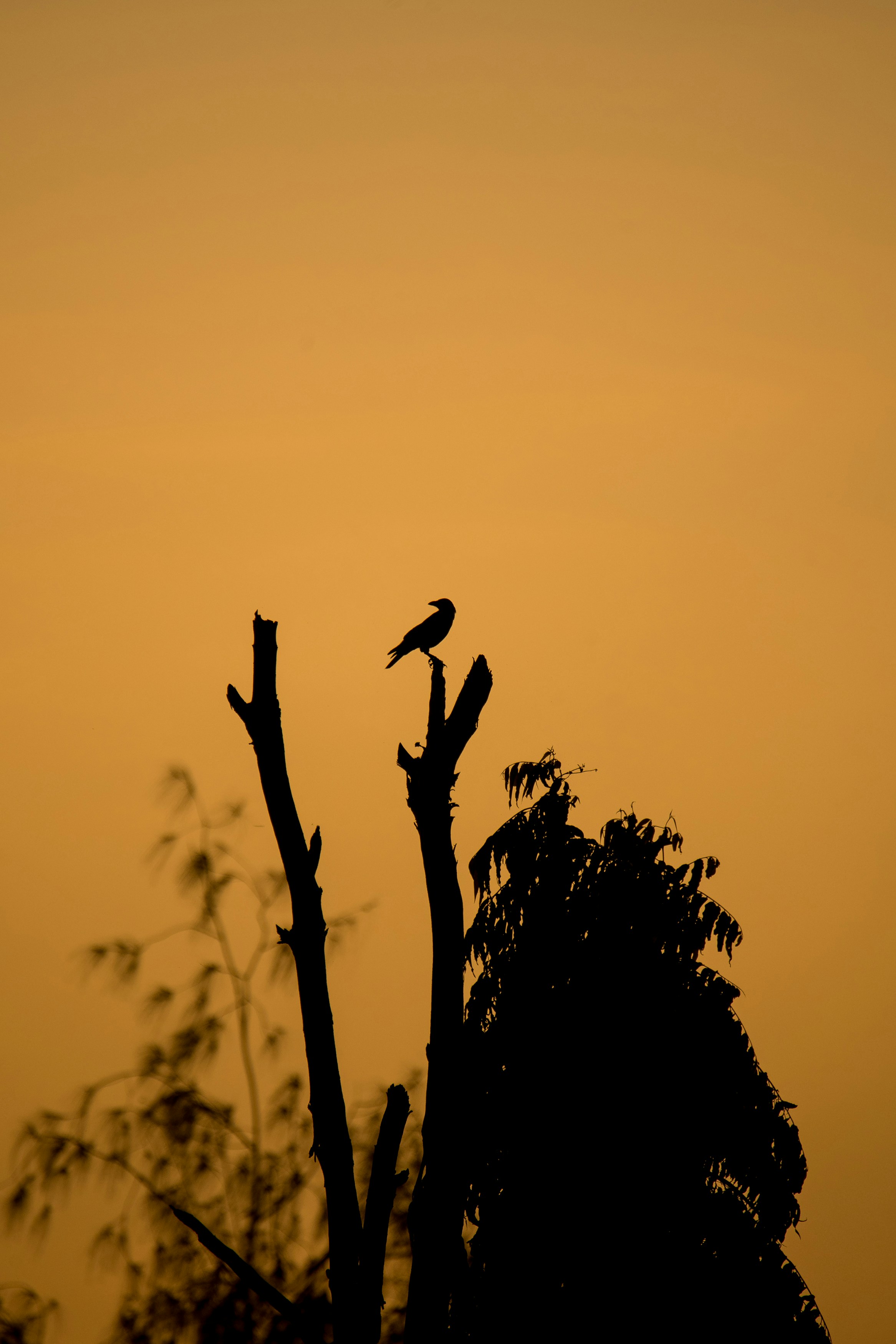
Rich Birdlife
Tarangire’s woodland, river and wetland habitats make it a rewarding place to look for many kinds of birds.
More to Discover
Elephant habitat
Elephants may gather near the river during drier periods, though numbers and locations vary.
Ancient Baobabs
Large baobabs stand across the park’s woodland and open areas.
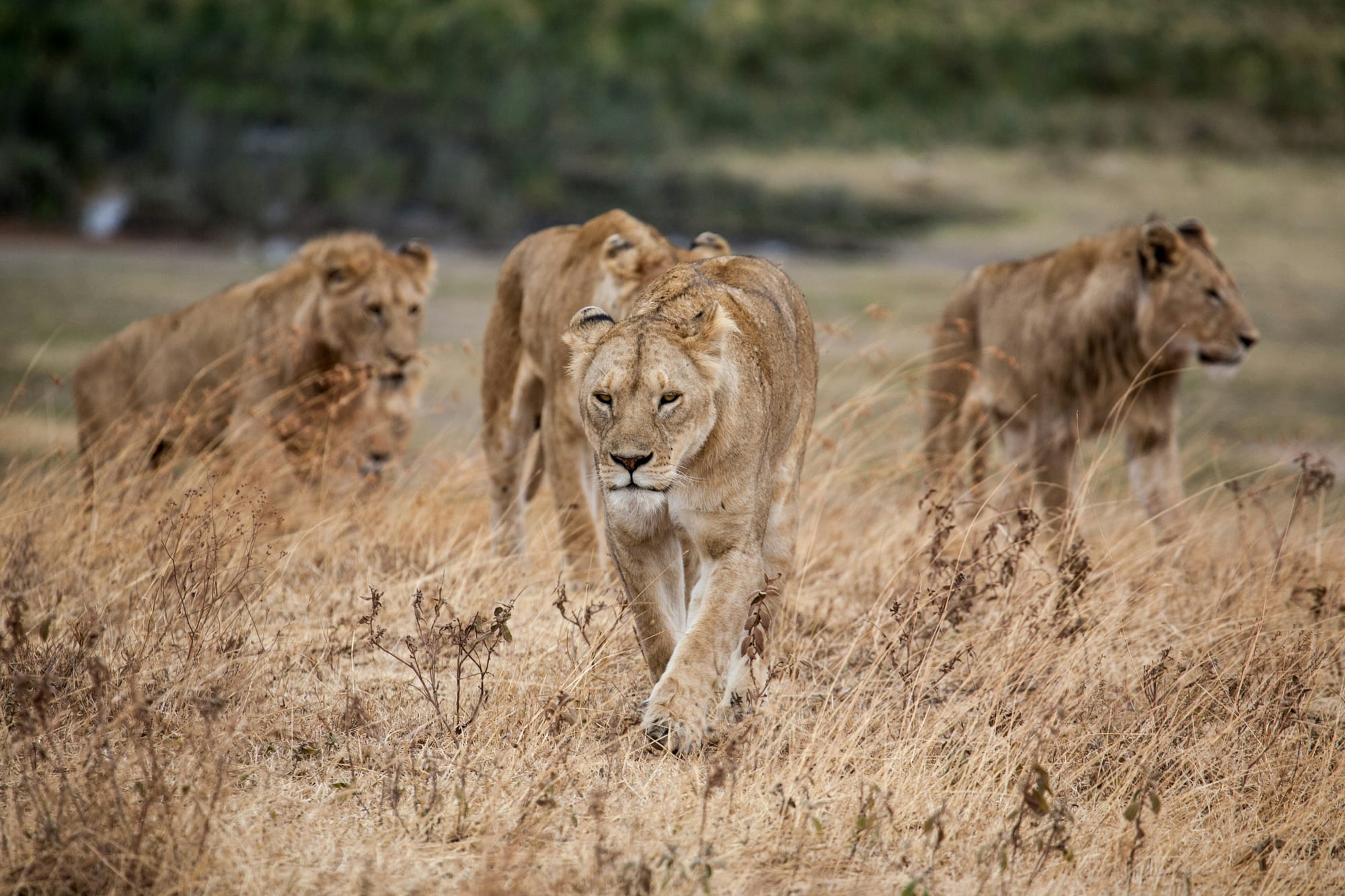
Birdlife
The mix of habitats supports resident and migratory birds at different times of year.
Seasonal planning
June – October
Often drier, when wildlife may gather near reliable water. Sightings are never guaranteed.
December – February
Conditions are often drier for part of this period, with birdlife changing through the season.
March – May
Usually wetter. Road, visibility and accommodation conditions should be confirmed before travel.
River and woodland
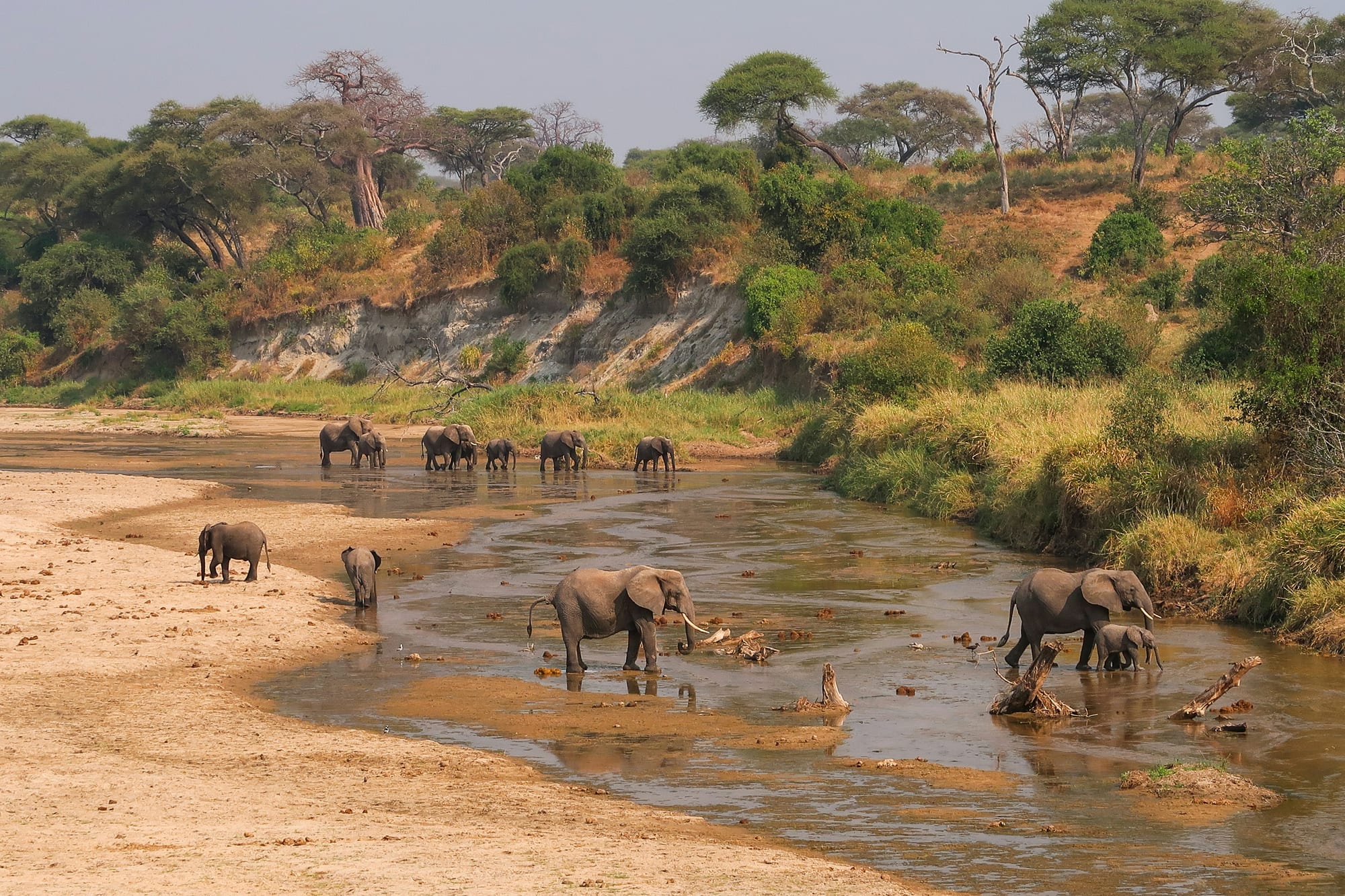
Planning a visit
Usually the first stop on a northern circuit, and often the quietest of the three.
- Getting there
- Roughly 2 to 3 hours by road from Arusha, on tarmac most of the way.
- Suggested stay
- 1–2 nights. A single full day of game driving covers the main river circuit.
- Best months
- June to October. As the surrounding country dries out, animals concentrate along the Tarangire River, which is when the park is at its most rewarding.
- Landscape
- About 2,850 km² of baobab-studded country along a river valley — visually quite unlike the open Serengeti plains.
- Worth knowing
- Its elephant numbers are what draw most visitors, but the birdlife is exceptional and often overlooked.
- Access and mobility
- Viewing is from the vehicle on reasonable park roads, so this is one of the easier parks for travellers with limited mobility. The drive from Arusha is short by Tanzanian standards.
Journeys that include this destination
Ready-made itineraries you can take as they are or adapt to your dates.

Nearby on the same routes
Places that pair well with this one.
Add Tarangire to your route
See how the park fits into a northern Tanzania itinerary.