Serengeti National Park
Endless Plains • The Great Migration • Big Cats
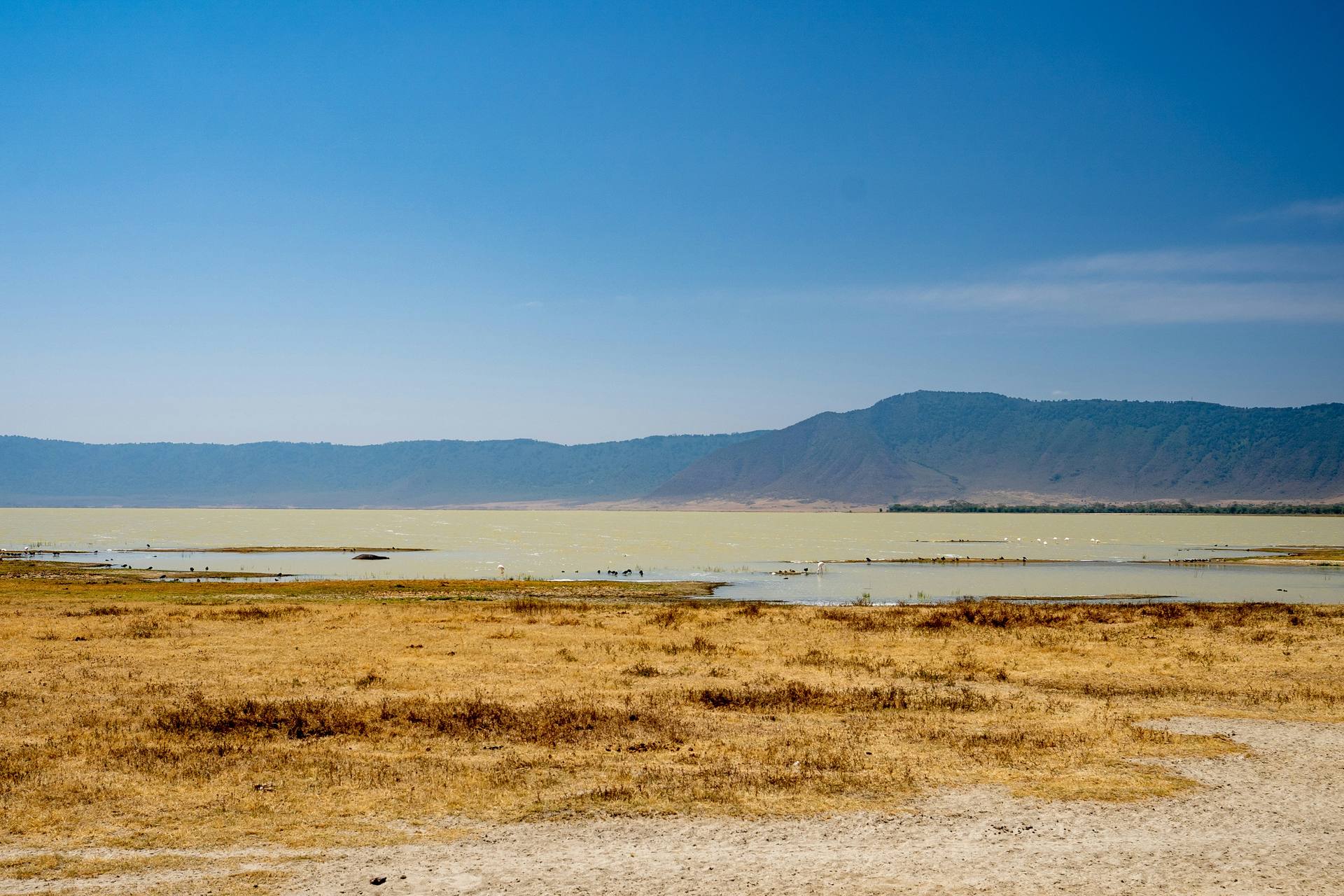
Across the Serengeti plains
Serengeti National Park is a World Heritage Site known for open grasslands, varied wildlife and the Great Migration.
Why Visit Serengeti?
The park supports lions, leopards, cheetahs and large herbivores. Migration timing and wildlife sightings vary with rainfall, season and location.
- The Migration: Herd locations and river crossings depend on seasonal conditions.
- Big Cats: Lions, leopards and cheetahs may be seen in different areas of the park.
- Balloon Safaris: Sunrise flights may be available by advance arrangement.
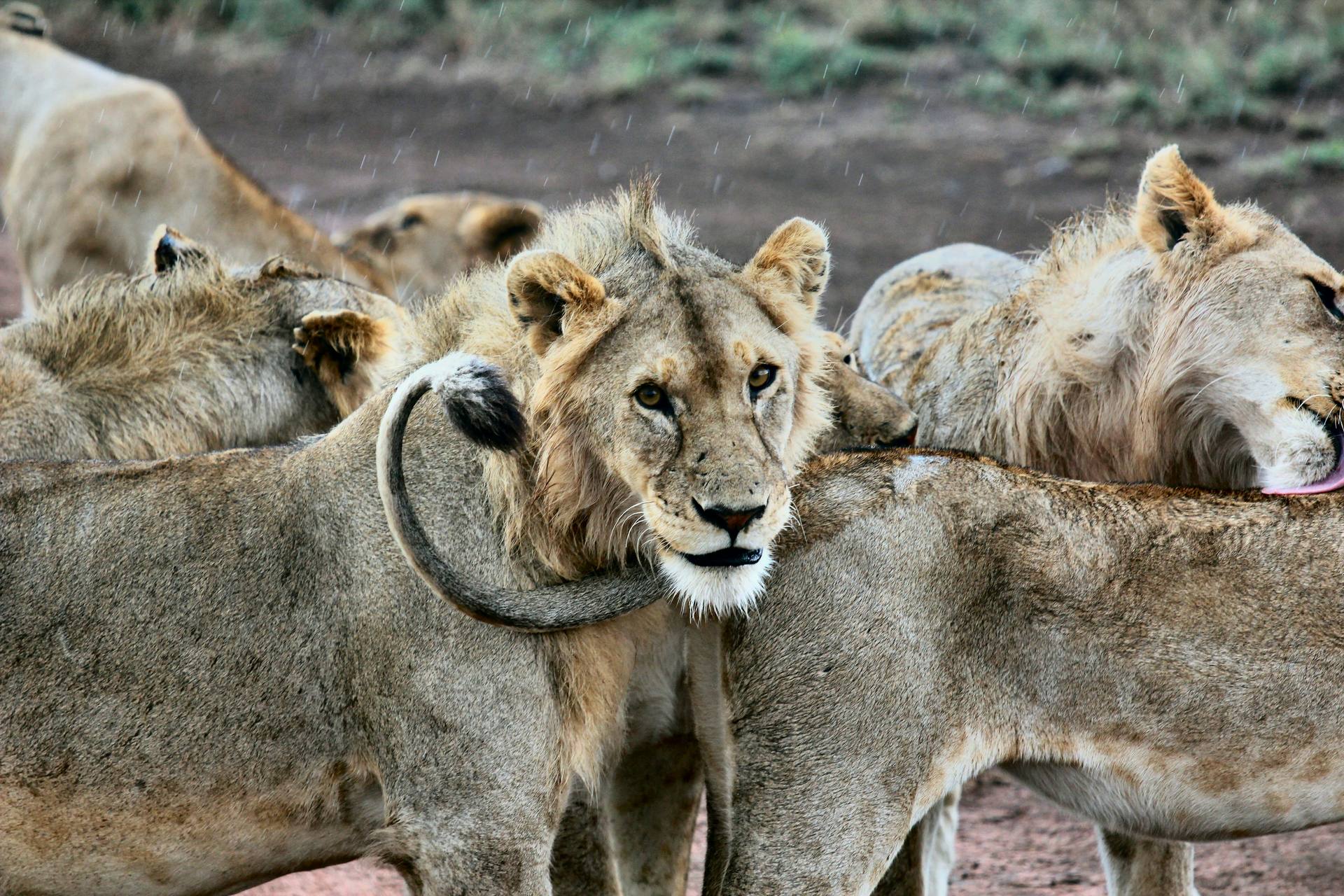 Lions in the Serengeti
Open plains
Landscape
Seasonal
Migration movement
Big cats
Wildlife habitat
World Heritage
International designation
Serengeti Highlights
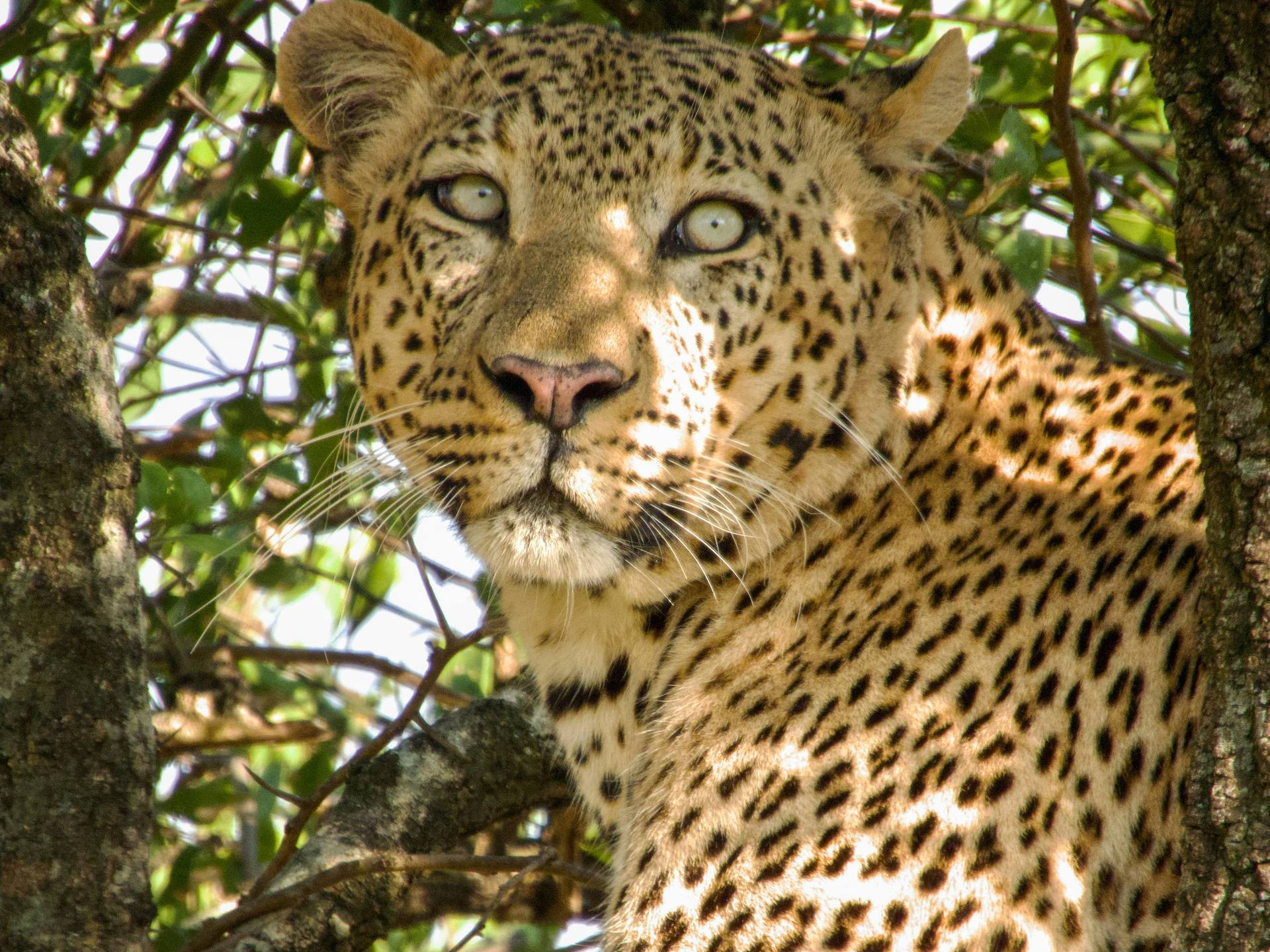
Seronera Valley (Central)
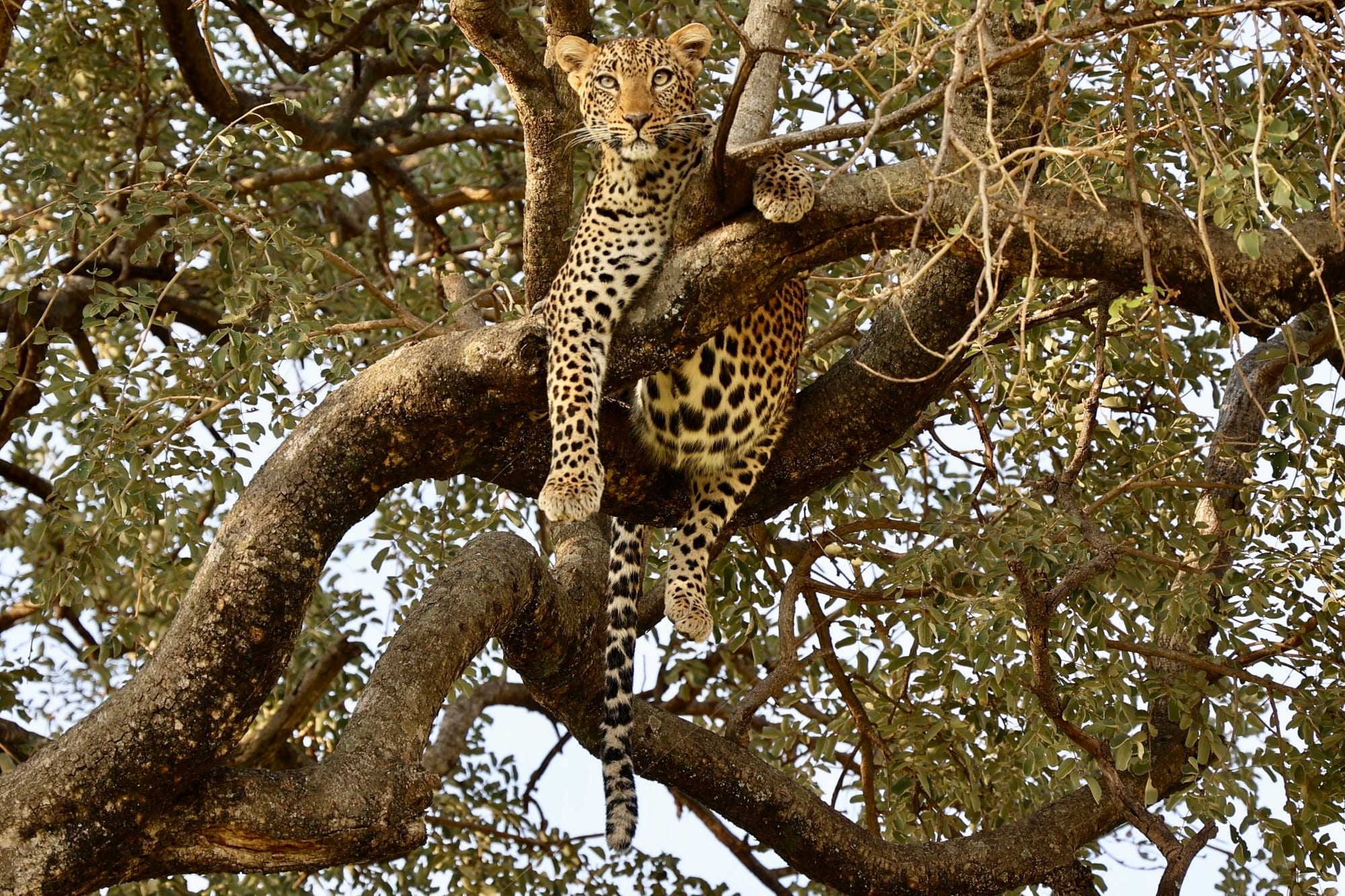
Central Serengeti includes riverine habitat as well as open plains. Wildlife varies through the year, and leopards may sometimes be seen in trees around the Seronera area.
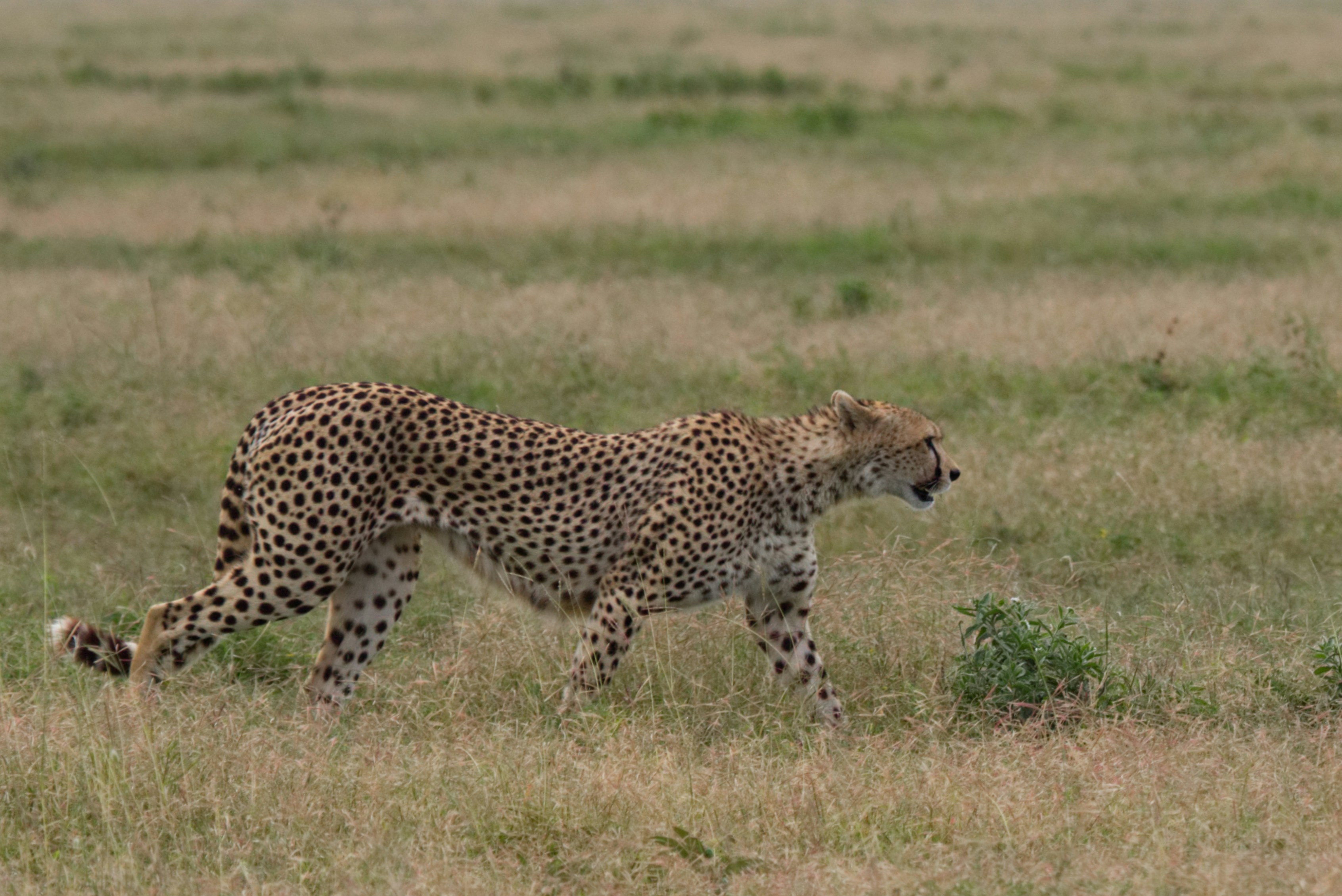
Endless Plains & Predators
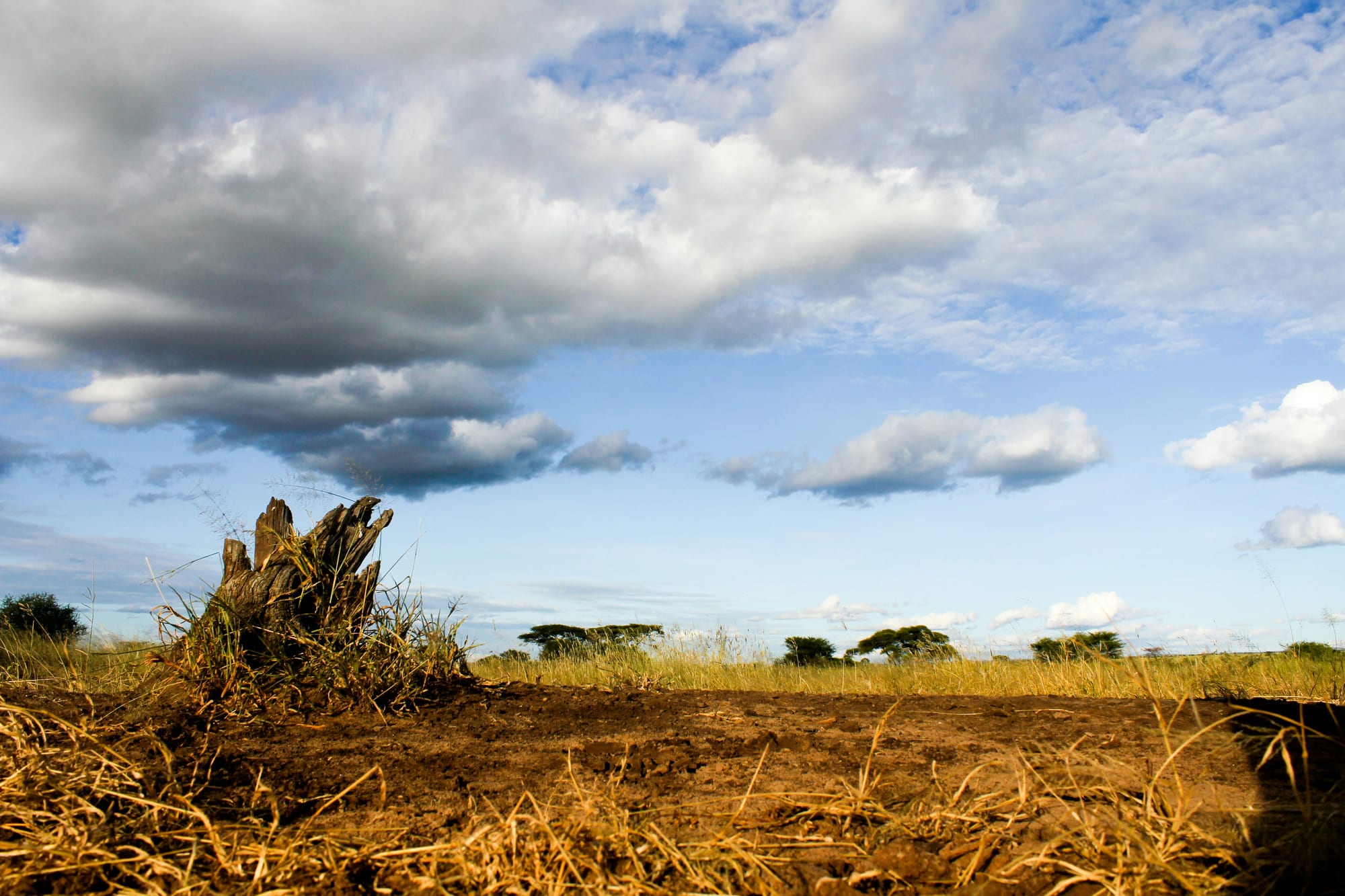
Short-grass plains provide open habitat for grazers and predators, including cheetahs. Clear views can make this area especially interesting for wildlife photography.
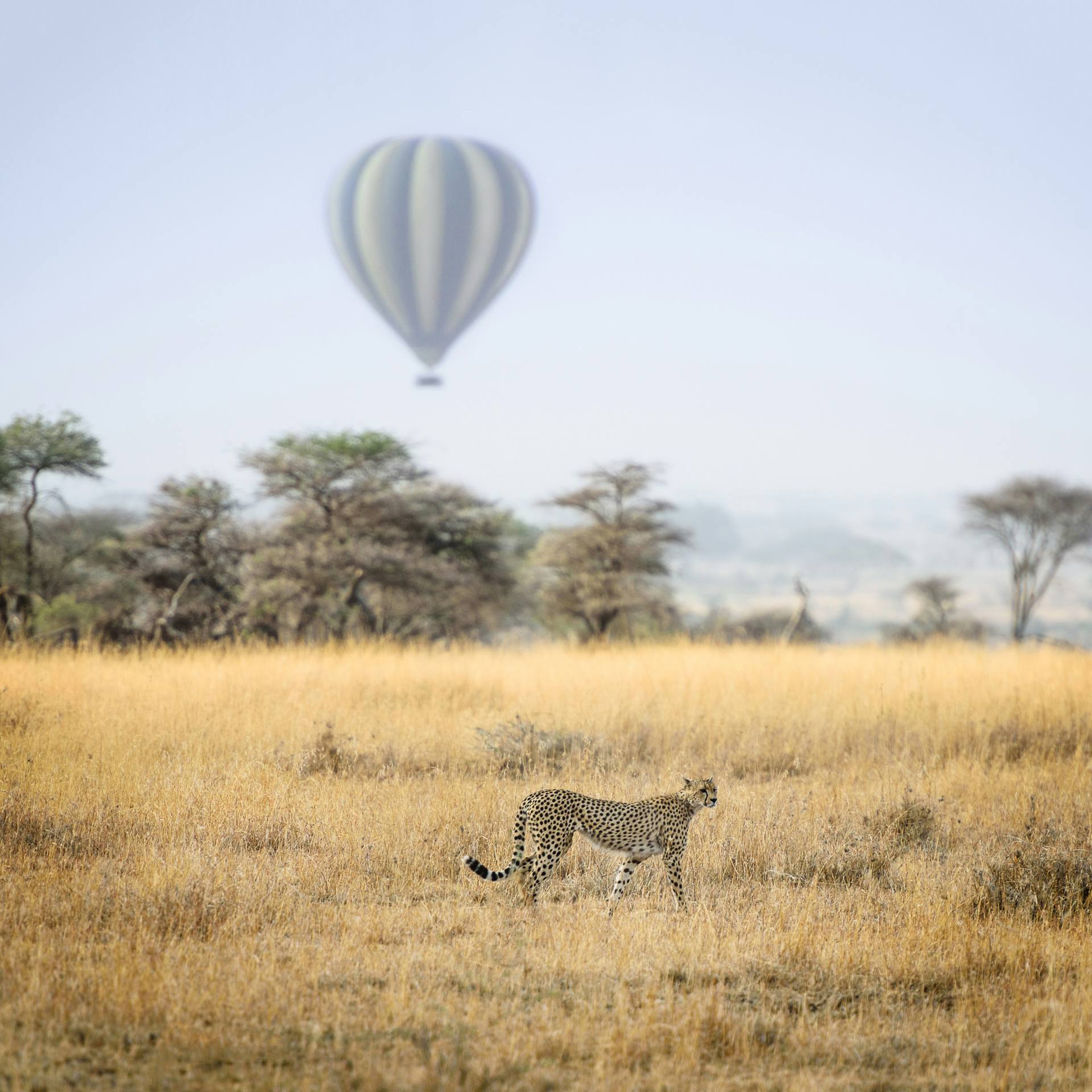
Hot Air Balloon Safaris
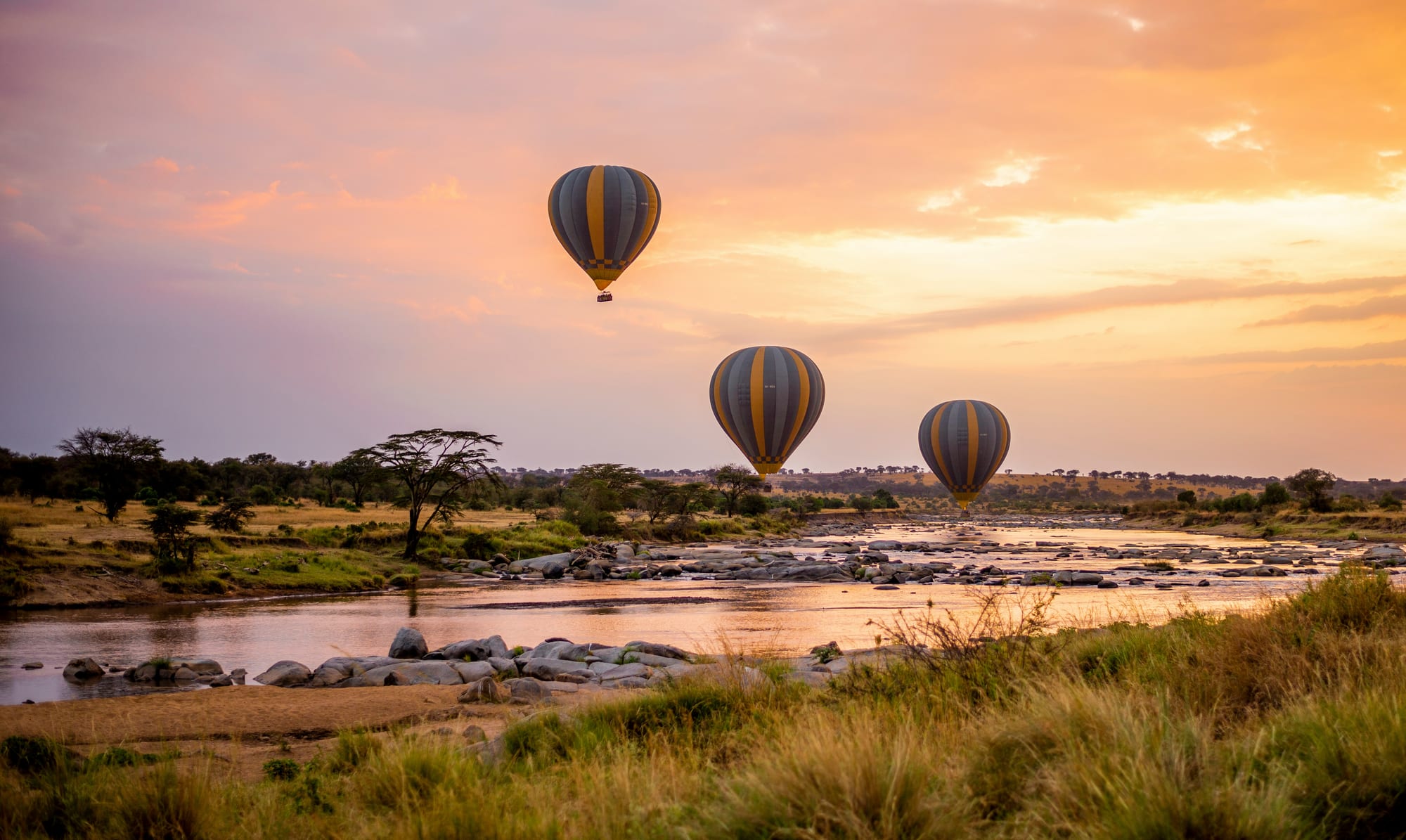
Balloon flights offer a different view of the plains at sunrise. Routes, landing arrangements and availability depend on the operator and local conditions.
Wildlife and seasonal movement
The mix of habitats supports predators, herbivores and birdlife, but every sighting depends on where the animals are on the day.
Predators
Lions, leopards, cheetahs and hyenas may be encountered across different habitats.
Herbivores
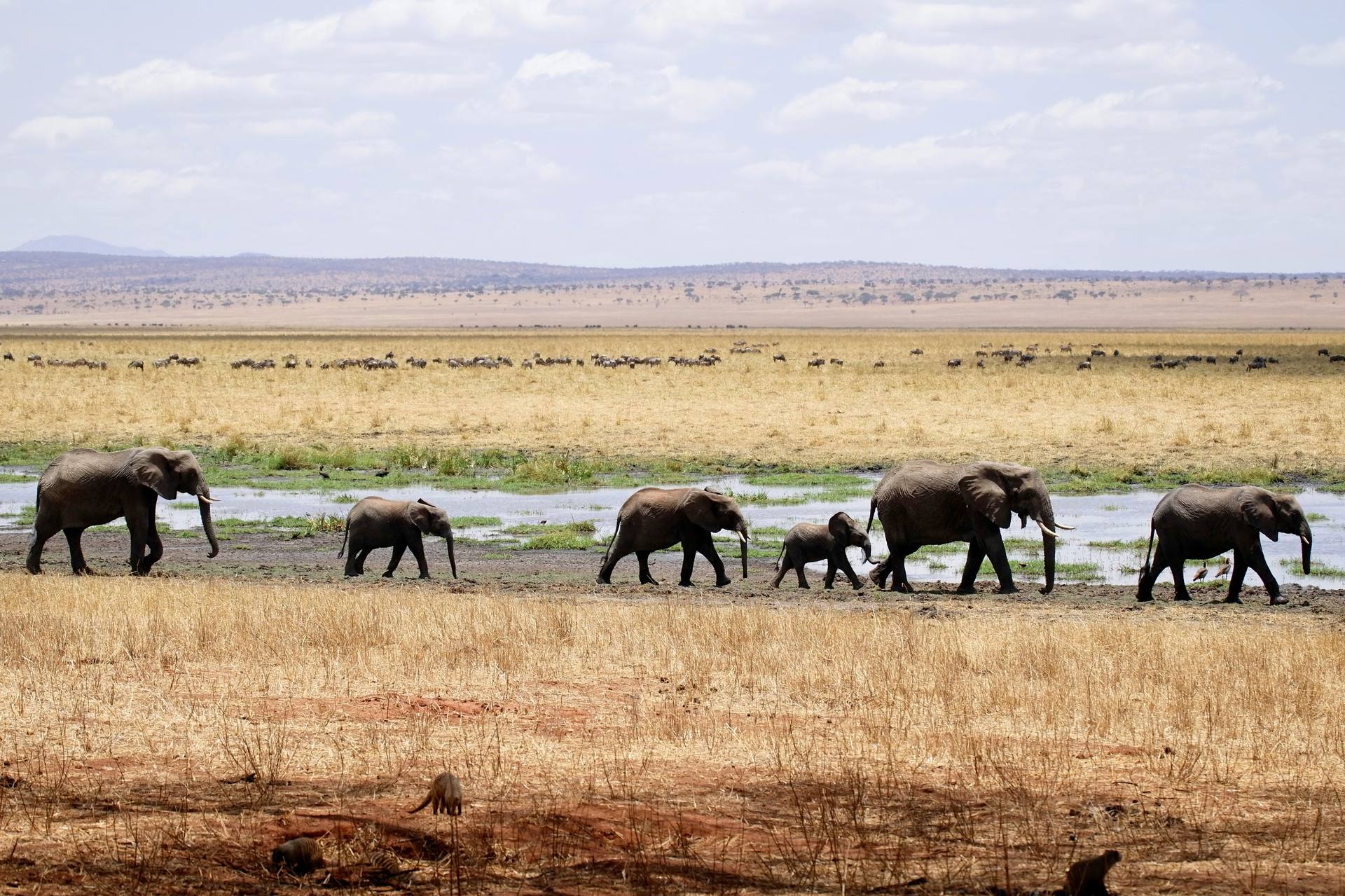
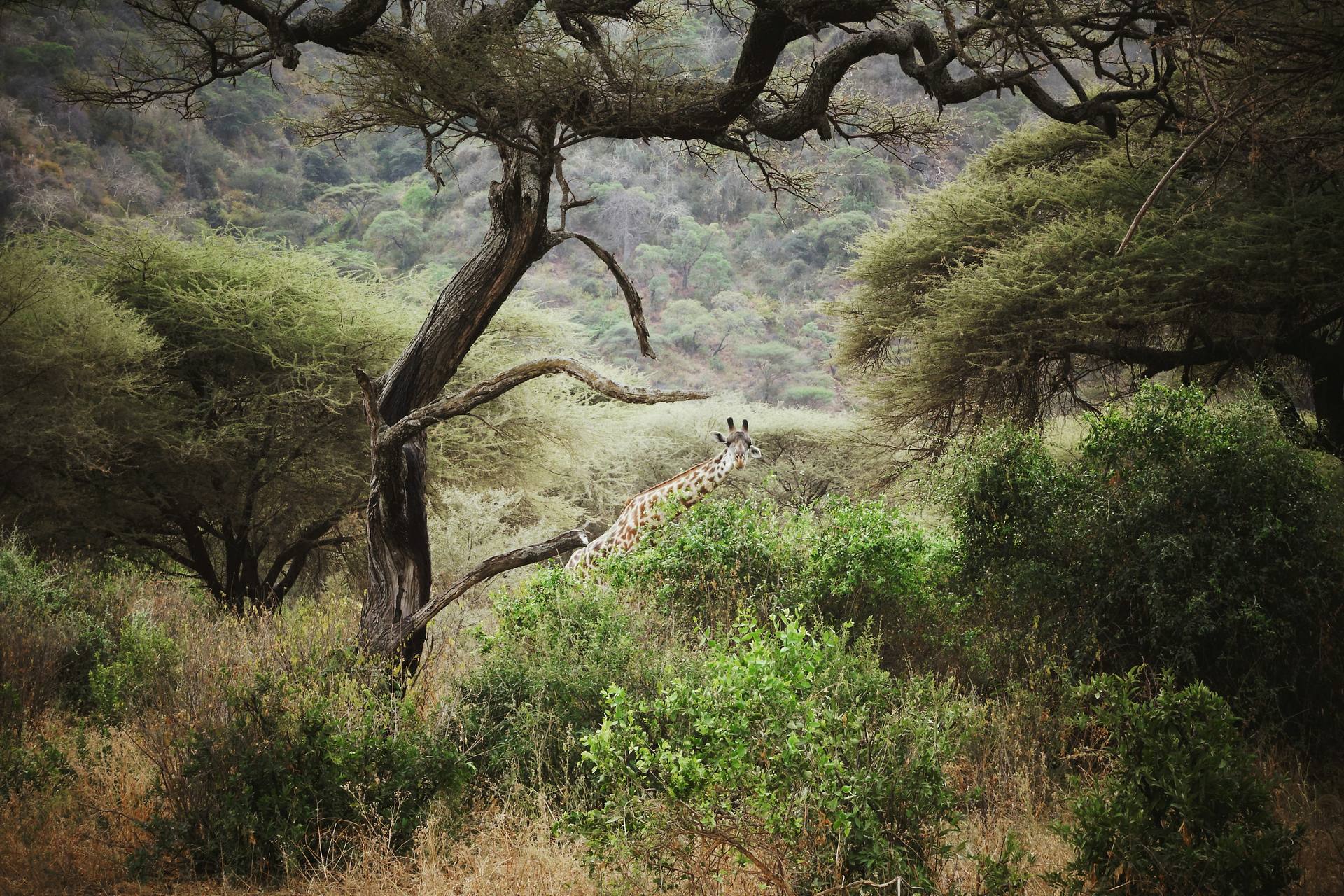
Elephants, buffalo, giraffes and many antelope species range through the ecosystem.
The Great Migration
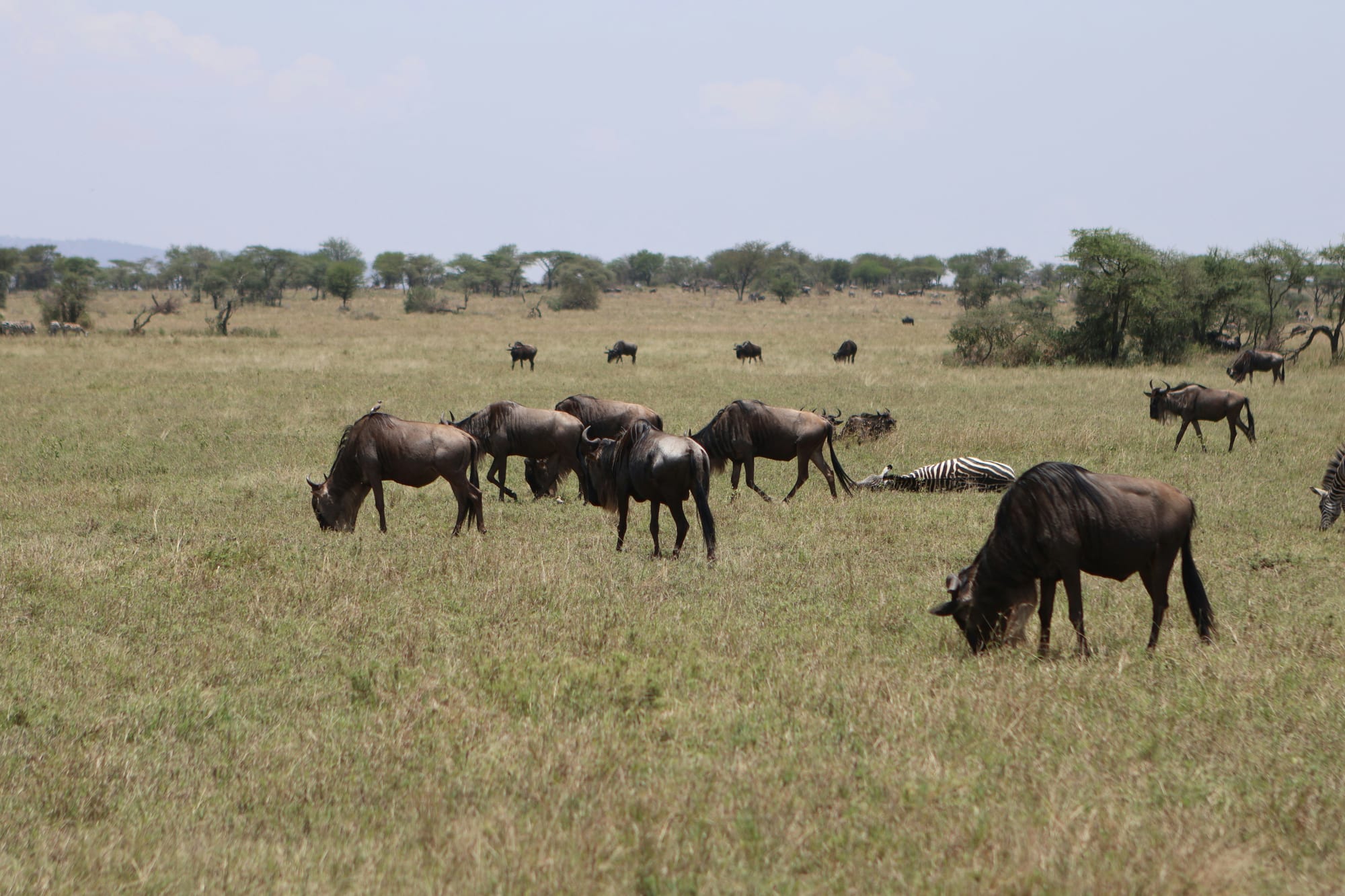
Wildebeest, zebra and gazelle herds move through the wider ecosystem in response to seasonal conditions.
Seasonal planning
June – October
Often drier, with wildlife movements influenced by water and grazing. River crossings are never guaranteed.
December – February
Conditions are often drier for part of this period. Herd locations vary, so confirm the current route when planning.
March – May
This is usually a wetter period. Road conditions, lodge availability and wildlife distribution can change.
Across the plains
Planning a visit
The park is close to 15,000 km², so where you stay matters as much as when you come.
- Getting there
- About 325 km from Arusha, roughly 8 hours by road through the Ngorongoro highlands. Light aircraft also reach Seronera airstrip in the central park.
- Suggested stay
- 3–4 nights. Two is possible but leaves little room to follow the herds if they have moved.
- Best months
- Calving on the southern plains around Ndutu runs roughly December to March, with February the peak. The herds move north from April to June, and Mara River crossings happen in the north between July and October.
- Wildlife
- Resident predators and plains game are present year-round. River crossings and large herd gatherings depend on rainfall and can never be guaranteed.
- Worth knowing
- Because the park is so large, we match your camp to where the herds are expected that month rather than booking one location for the whole stay.
- Access and mobility
- Almost all viewing is from the vehicle, so the park suits travellers who cannot walk far. The road transfer is long and rough in places; flying to an airstrip removes most of that. Ask us about vehicles with easier step-in access.
Journeys that include this destination
Ready-made itineraries you can take as they are or adapt to your dates.

Nearby on the same routes
Places that pair well with this one.
Explore a Serengeti itinerary
See how the park fits into a northern Tanzania route, then ask us about current conditions.