Ngorongoro Crater
Volcanic caldera • Wildlife habitat • World Heritage Site
Inside a vast volcanic caldera
Ngorongoro Conservation Area is a World Heritage Site centred on a large volcanic caldera with grassland, wetland and forest habitats. The wider landscape also holds an extraordinary record of early human history, including the Laetoli footprints.
Why Visit Ngorongoro?
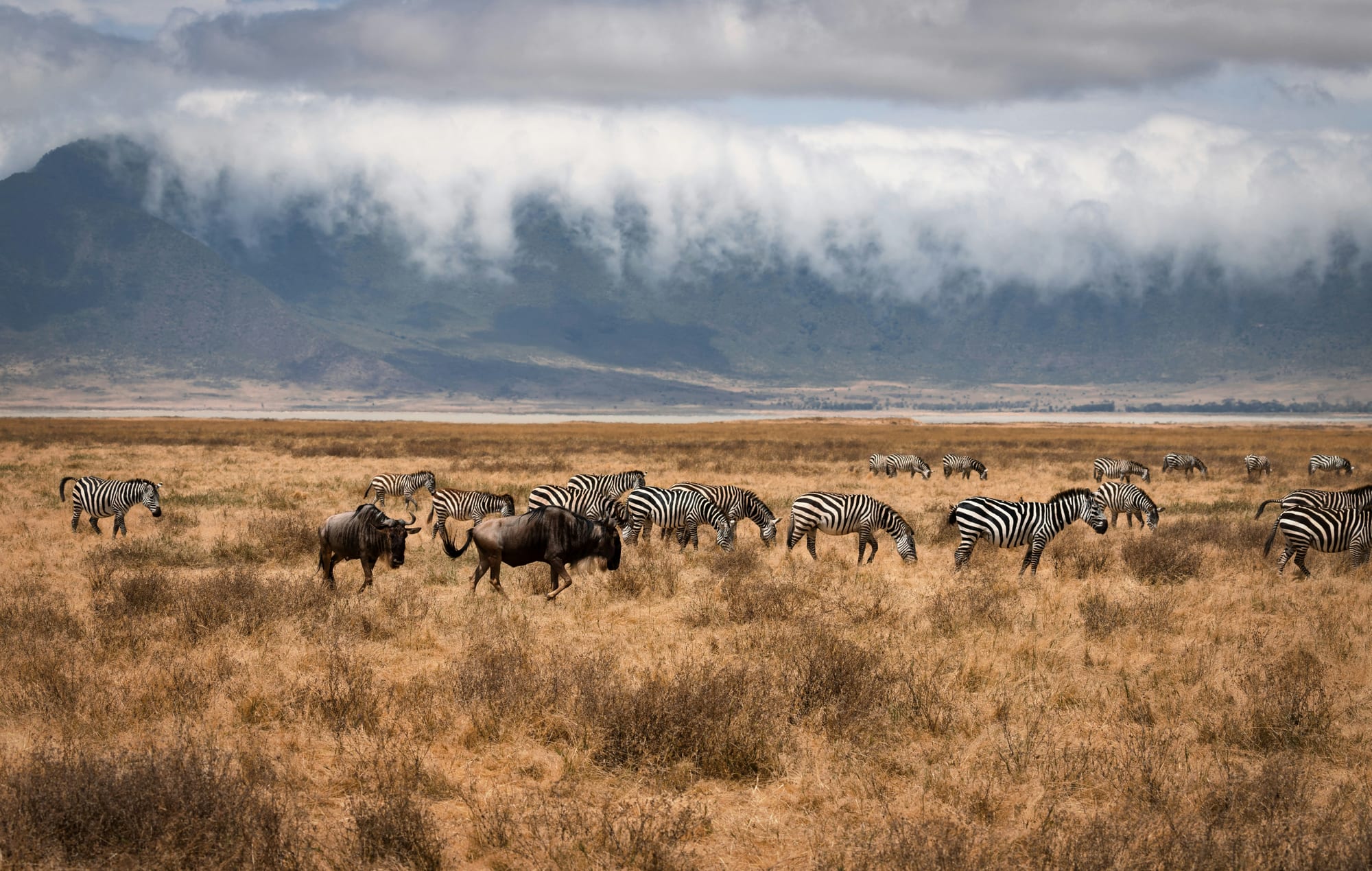
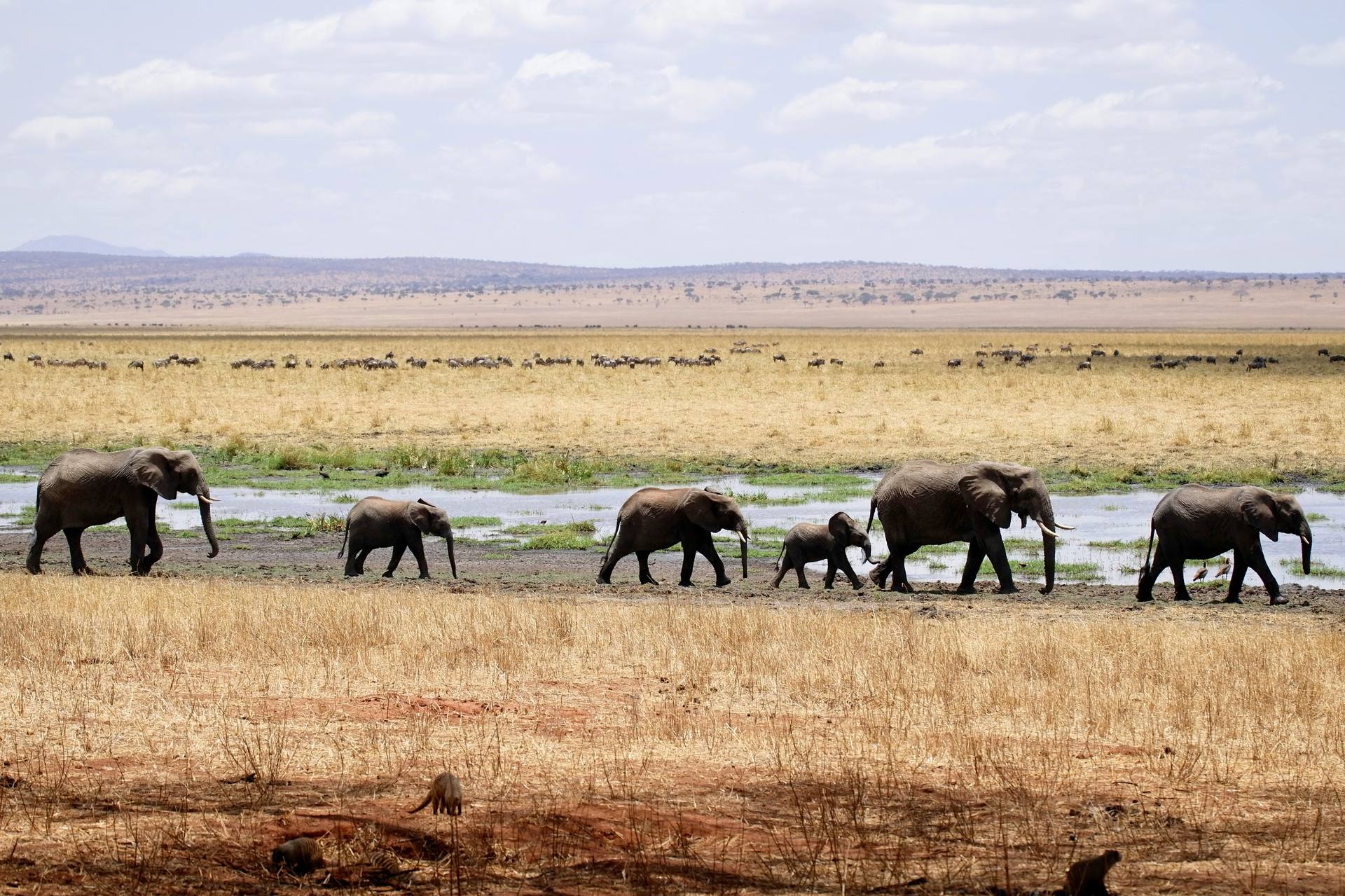
Wildlife includes lions, buffalo, elephants, hippos and rhinoceros. Leopard and black-rhino sightings can be difficult, and no species sighting is guaranteed.
- Wildlife: Lions, hyenas, buffalo, elephants and hippos use the crater’s varied habitats.
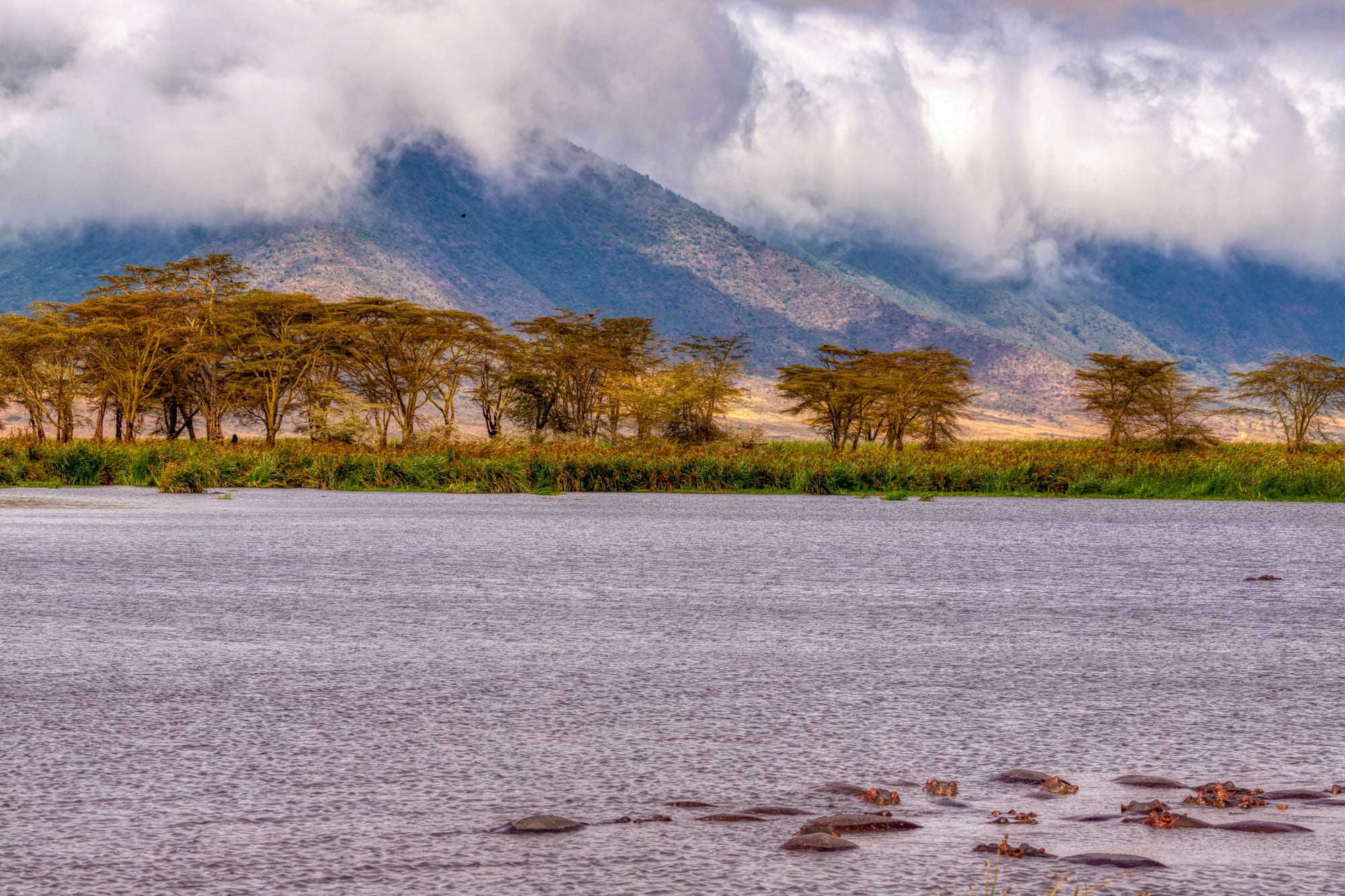
- Landscape: The crater floor includes open grassland, lakes and forest.
- Living landscape: Maasai communities live within the wider conservation area.
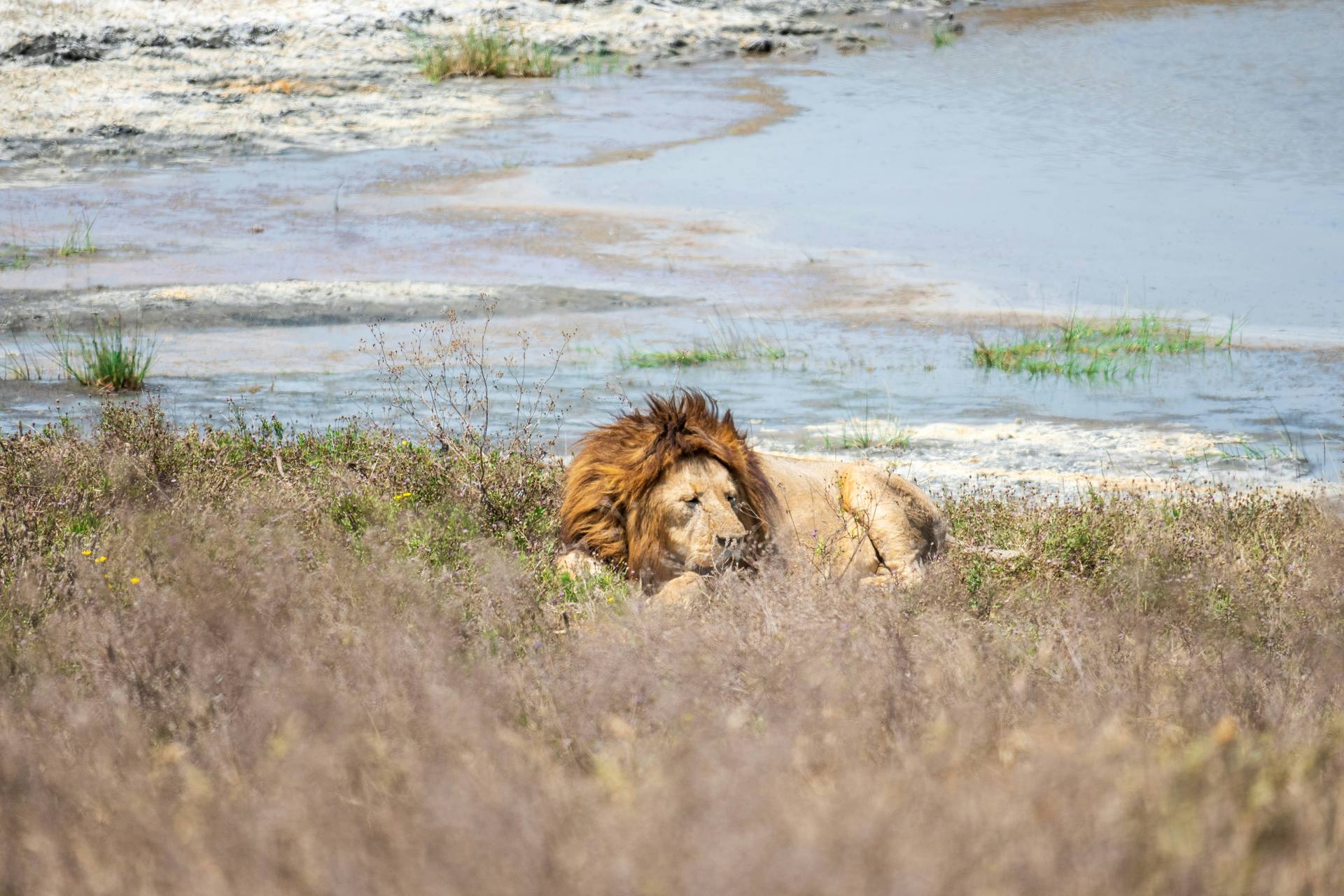 Lion in the Ngorongoro area
Caldera
Volcanic landscape
Grassland
Crater-floor habitat
Wildlife
Sightings vary
World Heritage
Natural and cultural landscape
Wildlife and culture
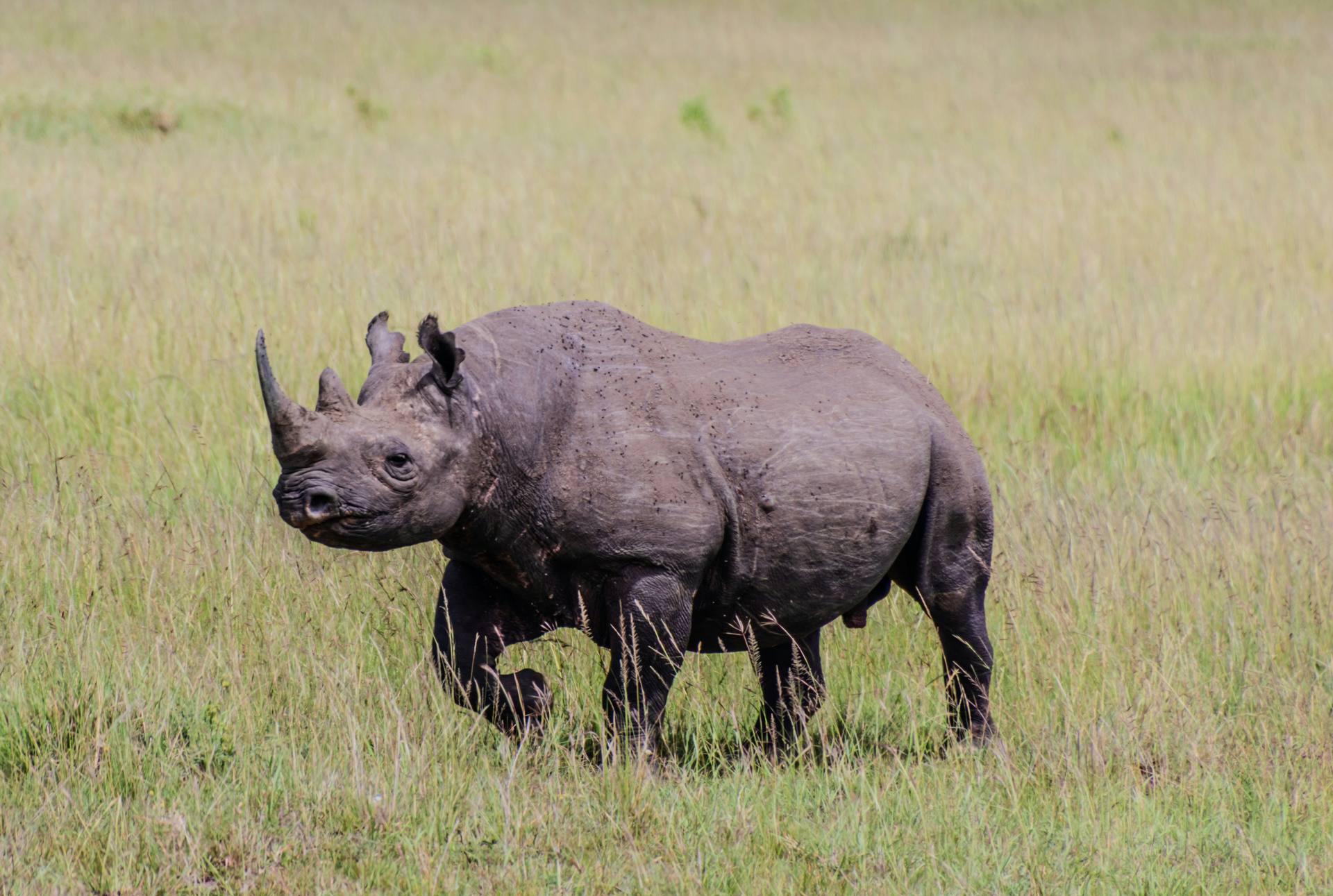
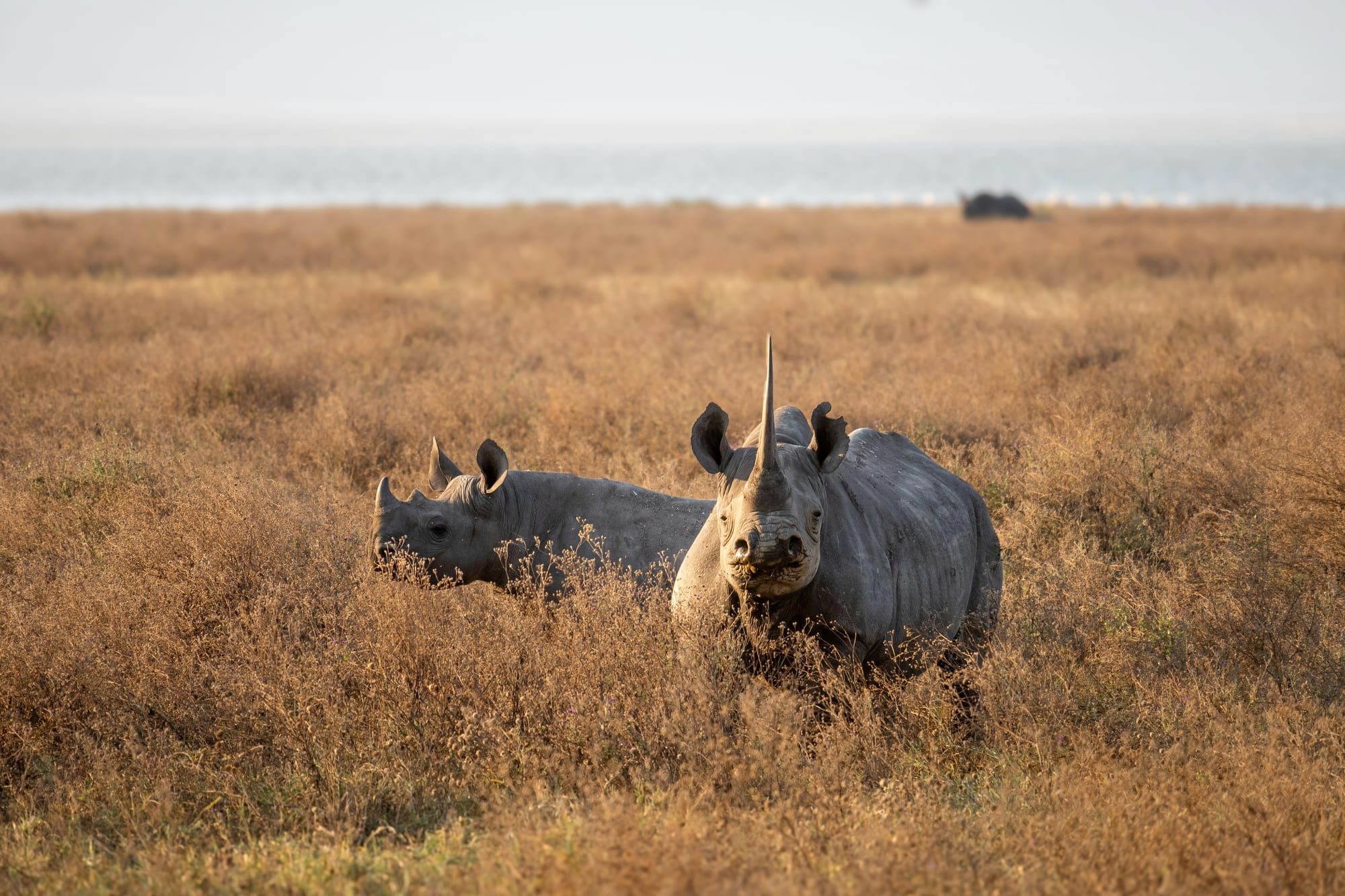
Rhinoceros habitat
Black rhinoceros live within the conservation area, but they can be difficult to see and sightings are never guaranteed.
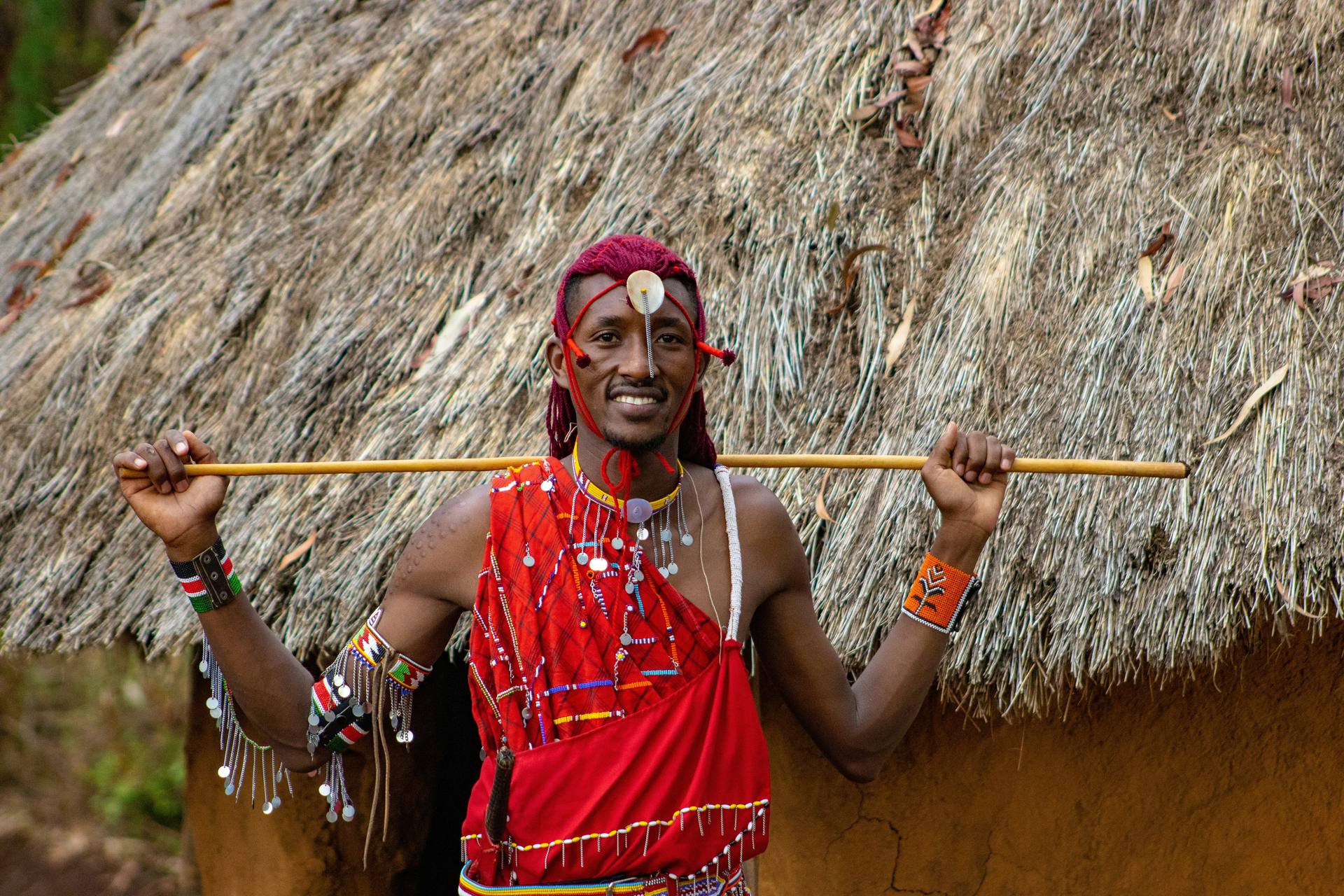
Cultural Coexistence
The wider conservation area is home to Maasai communities as well as wildlife. Any cultural visit should be arranged in advance and approached respectfully.
The Ancient Crater
The crater formed after a large volcano collapsed, leaving the caldera visible today. Its floor supports several distinct habitats.
Large mammals
Lion, elephant, buffalo, rhinoceros and many herbivore species use the crater and surrounding area.
Predators
Lions and hyenas may be seen on the crater floor; locations and activity change throughout the day.
Key Wildlife
Zebra, hippo, flamingo and other wildlife use the crater’s lakes, grassland and forest edges.
Seasonal planning
June – October
Often drier, though crater weather can still be cold or changeable. Wildlife locations vary.
December – February
Conditions are often drier for part of this period. Ask about the wider route if Ndutu is of interest.
March – May
Usually wetter. Road, visibility and accommodation conditions should be confirmed before travel.
Inside the caldera
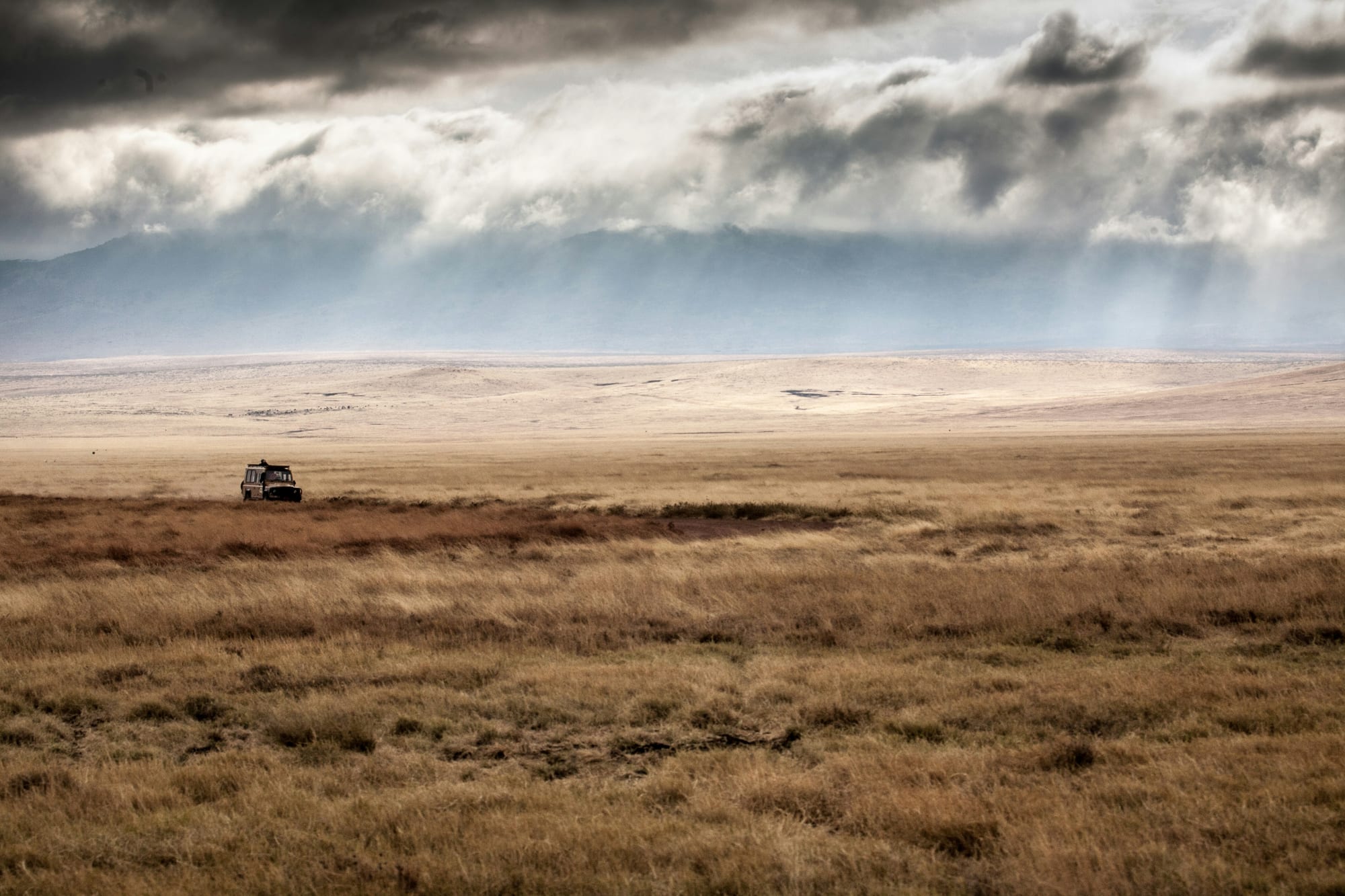
Planning a visit
A short visit, usually built into a longer northern circuit rather than travelled to on its own.
- Getting there
- About 120 km west of Arusha, roughly 3½ to 4 hours by road. Around 3 hours from Seronera if you are coming out of the Serengeti.
- Suggested stay
- 1–2 nights on the rim. Most visitors descend for a single full day on the crater floor.
- Best months
- Wildlife is present all year. June to October is drier and the descent road is in better condition.
- Altitude
- The rim sits at roughly 2,300 m and the floor at about 1,650 m — a descent of some 600 m. The floor covers around 260 km² and spans 16 to 19 km.
- Worth knowing
- Rim nights are genuinely cold and often misty. Bring warm layers even if the rest of your trip is hot.
- Access and mobility
- The descent and the game drive are entirely by vehicle on a steep, rough road. There is little walking involved, which suits limited mobility, but the road itself is jolting and the rim sits high enough that some visitors feel the altitude.
Journeys that include this destination
Ready-made itineraries you can take as they are or adapt to your dates.

Nearby on the same routes
Places that pair well with this one.
Include Ngorongoro in your route
Review the northern circuit itinerary, then ask us about current access and conditions.